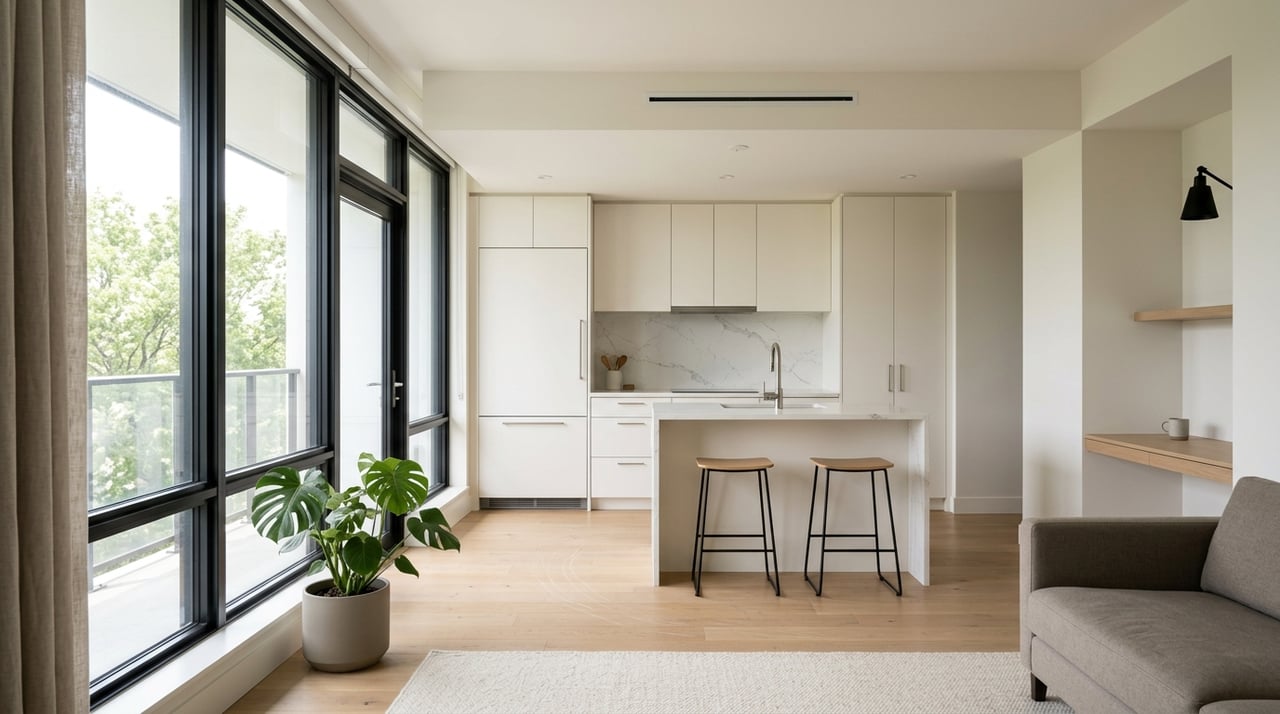
Wondering whether a Capitol Hill condo feels more like city living or neighborhood living? In many ways, it gives you both. If you are thinking about buying, renting, or simply narrowing down DC neighborhoods, this guide will help you understand what everyday life in a Capitol Hill condo is really like. Let’s dive in.
Capitol Hill feels historic and residential
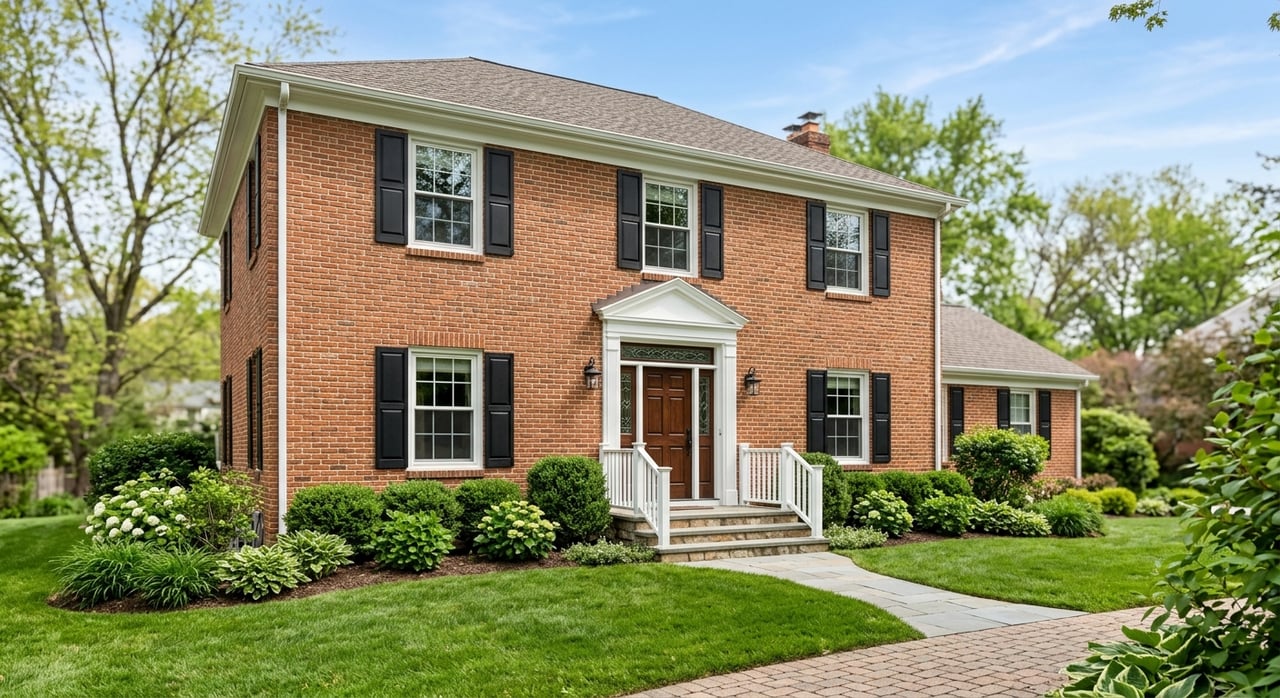
Capitol Hill condo living starts with the setting. This is one of DC’s oldest residential neighborhoods, and the official historic district includes roughly 200 city squares and about 8,000 buildings. The streets follow L’Enfant’s plan, and the area is known for intact 19th-century rowhouses, small apartment houses, and other historic buildings.
That history shapes the day-to-day feel of the neighborhood. Instead of a skyline filled with tall towers, Capitol Hill tends to feel low-rise, tree-lined, and more residential at street level. If you want an urban neighborhood that still feels grounded and walkable, that is a big part of the appeal.
The broader Capitol Hill area also includes places like Barracks Row, Eastern Market, the Federal Enclave, Hill East, and Union Station. That mix gives the neighborhood an interesting balance. You get the energy of a major DC location with the rhythm of a more local, lived-in community.
Condo life centers on walkable routines
For many residents, daily life revolves around places you can reach on foot. Eastern Market is a major anchor, with the indoor market open Tuesday through Saturday from 8 a.m. to 6 p.m. and Sunday from 8 a.m. to 5 p.m. The outdoor market runs Saturday and Sunday from 9 a.m. to 4 p.m. and Tuesday from 12 p.m. to 4 p.m.
That matters because condo living often feels easier when errands fit naturally into your routine. Around the neighborhood, you can find practical stops like a bookstore, pharmacy, urgent care, bank, USPS, and salons. Depending on where your condo is located, a lot of your weekly to-do list may be handled without getting in a car.
Barracks Row is another major part of everyday life. This five-block stretch of 8th Street SE has more than 30 local and national restaurant choices, along with retail and neighborhood services. It adds variety to your week without requiring a long trip across the city.
In practical terms, that means your lifestyle can feel very street-level. A coffee run, dinner out, a quick pharmacy stop, and a weekend market visit can all happen within a compact area. For many buyers, that is what makes Capitol Hill condo living feel convenient in a way that goes beyond simple location.
Parks add breathing room
Capitol Hill is not just about rowhouses, restaurants, and transit. Green space is part of the neighborhood’s identity too. Lincoln Park is the largest of the Capitol Hill Parks and one of the oldest public parks in Washington.
The Capitol Hill Parks are open daily from 6 a.m. to 10 p.m., which gives you accessible outdoor space for walks, fresh air, or a change of pace close to home. In a condo neighborhood, that nearby open space can matter a lot. It gives you an easy way to balance urban living with room to unwind.
Another notable public space is Eastern Market Metro Park. It has been highlighted as a community-led effort to create a safer, greener, town-square-style space with better transit connectivity. That kind of public investment supports the neighborhood’s appeal for people who want a more connected daily routine.
Transit makes car-light living realistic
If you are hoping to live with less reliance on a car, Capitol Hill is one of the easier neighborhoods in DC to consider. The area is served by the Blue, Orange, and Silver lines at Capitol South, Eastern Market, and Potomac Avenue, plus the Red Line at Union Station.
You also have access to DC Circulator service on the Union Station-Congress Heights and Eastern Market-L’Enfant Plaza routes. On top of that, the Capitol Hill BID notes 16 Capital Bikeshare stations within its boundaries, with room for more than 300 bikes. That gives you several ways to move around depending on your schedule and preferences.
For condo buyers, this can affect what kind of unit works best for you. Some condo buildings offer garage or off-street parking, while others lean more heavily on walkability, transit, and bike access. So if parking matters to you, it is something to evaluate building by building rather than assume neighborhood-wide.
Capitol Hill condos vary more than you might expect
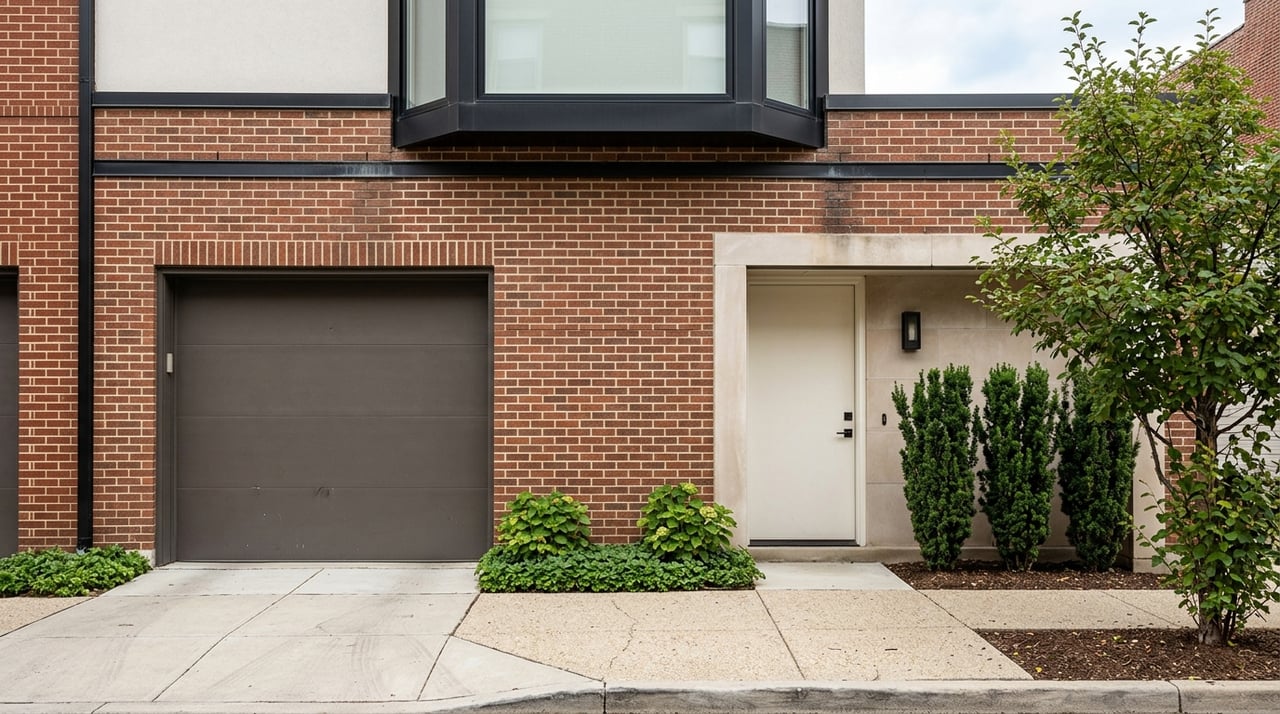
One of the most important things to know is that Capitol Hill condos do not all look or live the same. The neighborhood includes both newer boutique buildings and historic conversions. That means your options may range from a more contemporary unit to a condo inside a restored older building with original character.
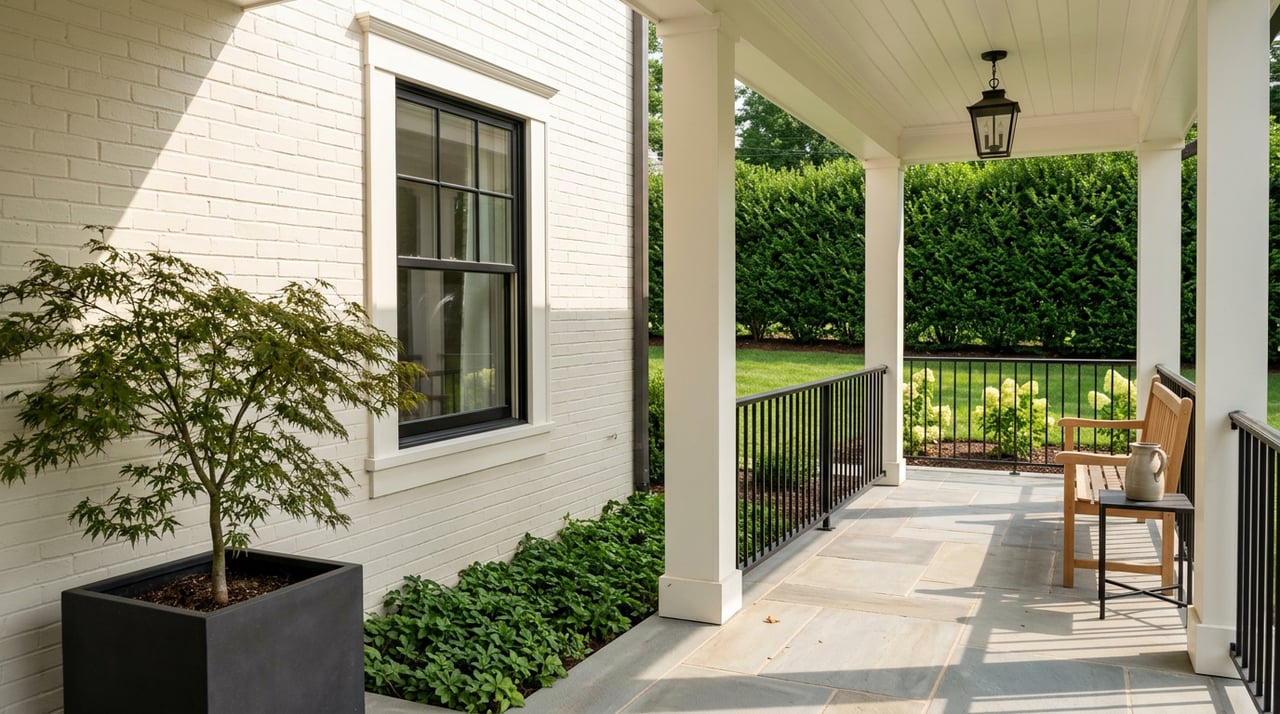
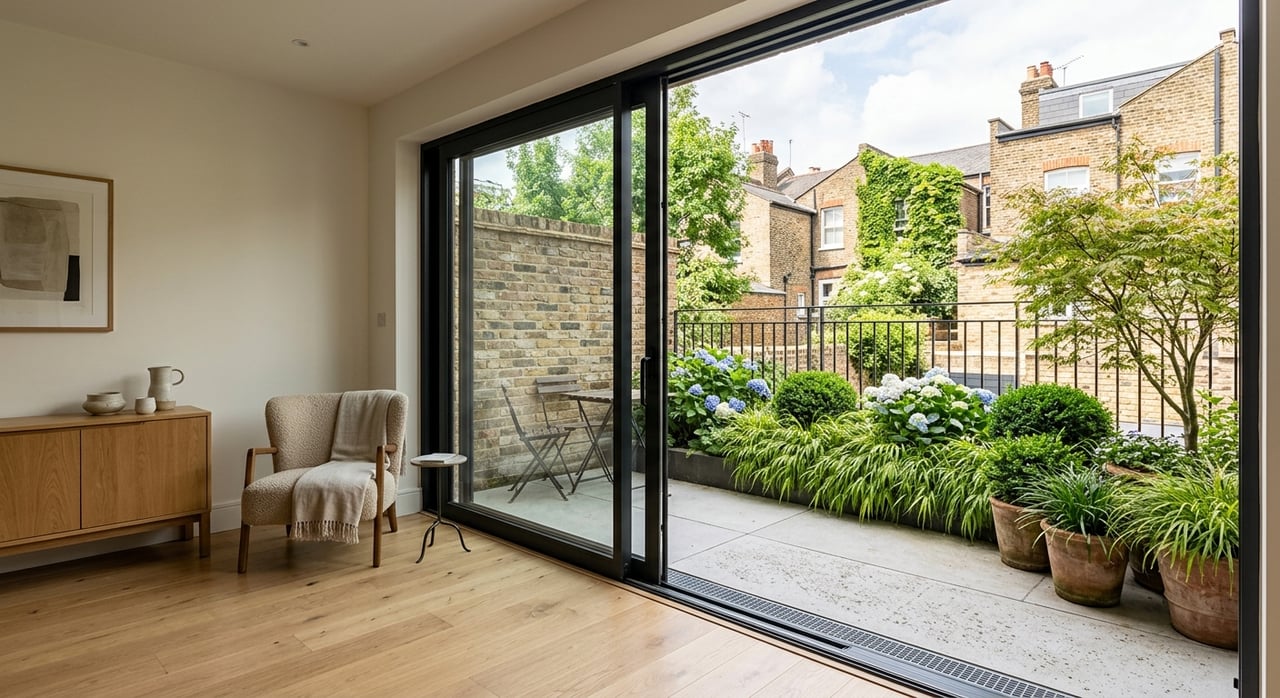
Current examples show that variety clearly. Some units include features like private patios, elevator access, rooftop decks, garage parking, storage, balconies, exposed brick, high ceilings, and open-concept living spaces. In many cases, the scale is smaller and more boutique than what you might find in a newer high-rise district.
That smaller scale can be a plus if you prefer something that feels quieter or more personal. At the same time, amenities may be less uniform from building to building. Instead of expecting the same package everywhere, it helps to think in terms of tradeoffs and priorities.
Common features you may see
- Private outdoor space like a patio or balcony
- Shared rooftop decks
- Storage areas
- Elevator access in some newer or updated buildings
- Off-street or garage parking in select properties
- Historic details such as exposed brick or higher ceilings in converted buildings
If you value design and character, Capitol Hill can offer strong appeal. The housing stock often combines modern interiors with older architectural bones, which creates a style that feels distinct from more uniform condo markets.
Historic rules shape the exterior look
Because much of Capitol Hill sits within a historic district, exterior changes often come with added review. In DC historic districts, exterior repairs, alterations, additions, and most visible changes generally require Historic Preservation Review Board approval. Interior alterations are generally not subject to preservation review.
For you as a condo buyer, that usually means the neighborhood’s street-facing character tends to stay consistent over time. A building may have updated interiors, but the outward appearance often remains tied to the historic context. That helps preserve the look and feel that draws many people to Capitol Hill in the first place.
It also means expectations should be practical. If you are drawn to a historic property, exterior flexibility may be more limited than in a newer development. For many buyers, that is a reasonable trade for living in a neighborhood with lasting architectural character.
Who tends to enjoy Capitol Hill condo living
Capitol Hill condo living tends to work well if you want a strong neighborhood identity and easy access to everyday needs. It can be a good fit if you like the idea of walking to markets, restaurants, parks, and transit instead of building your life around long drives. It also appeals to people who want older DC character paired with urban convenience.
This lifestyle may especially suit you if you prefer a neighborhood that feels intimate and street-level. Capitol Hill is often described through its walkable blocks, local dining, public spaces, and transit access. Those features create a routine that can feel more local than high-rise districts centered on larger buildings and more uniform amenities.
The tradeoffs are fairly clear too. Condo options can vary widely in parking, storage, and amenities, and preservation rules can limit some exterior changes. If you come in expecting consistency across every building, you may find more variation than expected.
What to weigh before you buy
If you are seriously considering a Capitol Hill condo, it helps to focus on a few practical questions before you tour or make an offer.
Key questions to ask yourself
- Do you want a historic conversion or a newer boutique building?
- How important are parking and storage to your daily routine?
- Would you use outdoor space like a patio, balcony, or roof deck?
- Do you want to be closest to Eastern Market, Barracks Row, Union Station, or Hill East?
- Are you comfortable with the tradeoffs that can come with historic-district living?
These questions can help you sort through inventory more efficiently. In Capitol Hill, the best-fit condo is often less about broad neighborhood appeal and more about matching a specific building and block to your lifestyle.
If you want help comparing condo options in Capitol Hill or understanding how one building differs from another, Rick Shewell offers thoughtful, local guidance for DC buyers who want a clear, design-aware view of the market.
FAQs
What is daily life like in a Capitol Hill condo?
- Daily life often centers on walkable routines near Eastern Market and Barracks Row, with access to dining, errands, parks, and transit close to home.
Do Capitol Hill condos usually come with parking?
- Parking is available in some condo buildings, but it is not universal, so you should evaluate parking options property by property.
Are Capitol Hill condos mostly in high-rise buildings?
- No. Capitol Hill is generally known for a low-rise, tree-lined, residential feel with small apartment houses, historic buildings, and boutique condo options rather than a tower-heavy setting.
What kinds of amenities do Capitol Hill condos have?
- Amenities vary by building, but current examples show features like patios, balconies, rooftop decks, storage, elevator access, and in some cases garage or off-street parking.
How does historic-district status affect a Capitol Hill condo?
- Historic-district rules generally apply to exterior and visible changes, while interior alterations are generally not subject to preservation review.
Is Capitol Hill a good place for car-light living?
- Yes. The neighborhood has Metrorail access, DC Circulator routes, Capital Bikeshare stations, and a walkable layout that can make car-light living realistic for many residents.