Thinking about buying a townhome in Fairfax but not sure where to start? You’re not alone. Between HOA rules, commute options, and figuring out fee‑simple vs condo‑style ownership, there is a lot to sort through. This guide walks you through the major decisions, the documents to review, and the steps to take so you can buy with confidence. Let’s dive in.
Townhome types in Fairfax
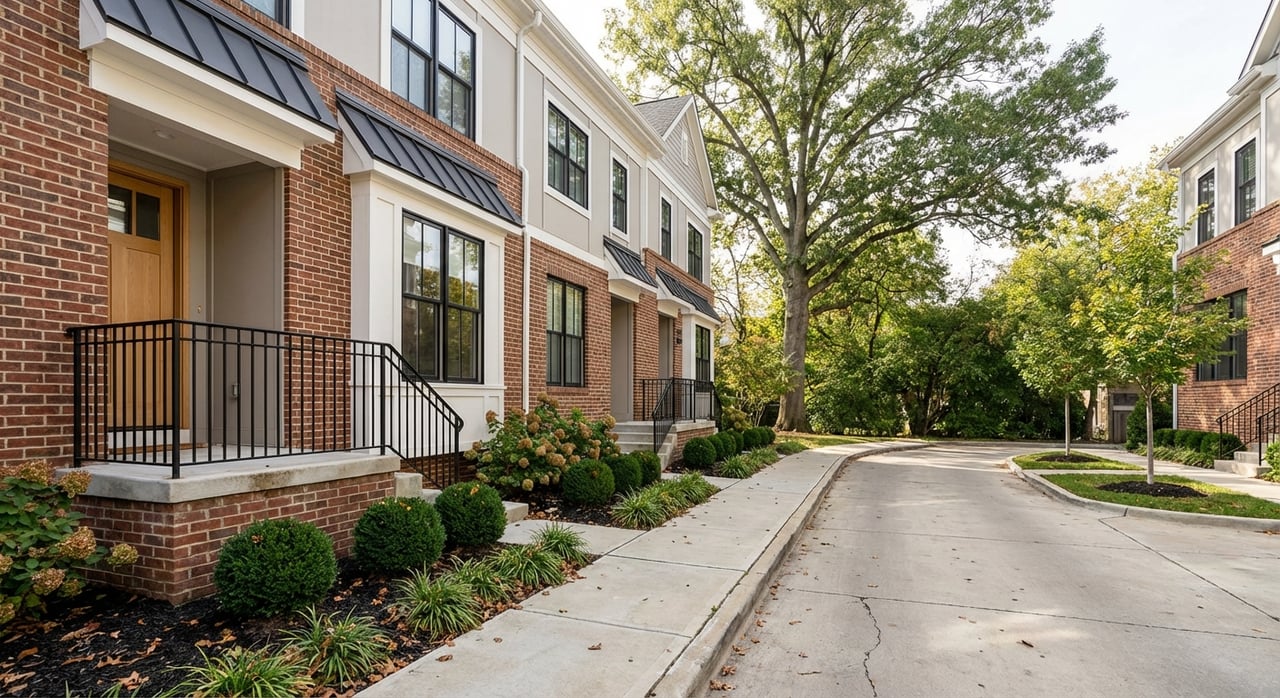
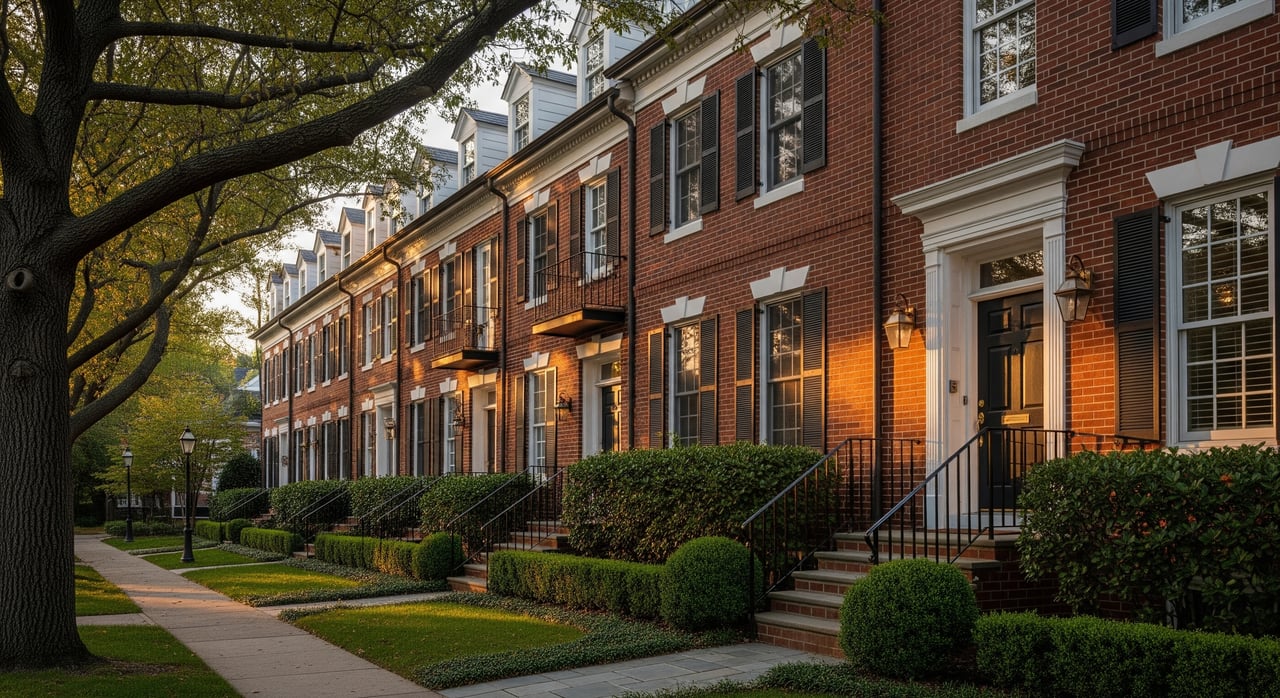
Fairfax offers a wide range of townhomes, from classic garden communities to newer urban infill with rooftop decks. Understanding ownership type is your first step.
Fee‑simple vs condo‑style
- Fee‑simple townhome: You own the home and the land under it, sometimes including a small yard. An HOA typically governs common areas. Lenders often treat these like detached homes for financing.
- Condominium‑style townhome: You own a condo interest in the building. The association owns and maintains common elements like the exterior and roof. Financing, insurance, and HOA rules can differ from fee‑simple.
Before you tour, confirm how ownership is defined in the CC&Rs. It affects financing, insurance, maintenance, and resale.
Layouts and features
Most Fairfax townhomes span 2 to 4 stories with shared walls. Common features include 1–2 car garages, small patios or yards, and basements, especially in older communities. Many newer floor plans offer open kitchens, a primary suite with an en suite bath, a finished lower level, and sometimes a rooftop deck.
Age and construction vary widely. Materials, insulation, windows, and HVAC systems can differ by builder and era. That impacts energy use and long‑term maintenance.
Parking and storage
HOA rules control a lot here. Some neighborhoods assign two parking spaces per unit, while others rely on garage plus street parking. Pay attention to guest parking, permit requirements, and any towing or enforcement practices. Storage options also vary, especially in homes with rear‑load garages and limited yard space.
HOA rules and what to review
An HOA or condominium association will shape your daily life and monthly costs. Request the full HOA packet early and give yourself time to review.
Must‑have documents
Ask for these before making an offer or make delivery a contingency:
- Declaration or CC&Rs
- Bylaws and rules/regulations
- Current budget and recent financial statements
- Reserve study
- Recent HOA meeting minutes (6–12 months)
- Insurance certificate and master policy summary
- Litigation disclosures
- Special assessment history and planned capital projects
- Resale certificate or estoppel letter
- Rental and pet rules, plus parking policies
What to look for
- Fee coverage: Clarify what the HOA pays for, like roof, siding, landscaping, snow removal, trash, or common utilities. Identify what falls to the owner.
- Reserves and projects: A thin reserve or big upcoming projects can foreshadow special assessments.
- Rentals and investor mix: Check rental caps and the percentage of owner‑occupied units. This can affect financing and resale.
- Insurance structure: Understand whether the master policy is bare‑walls‑in or all‑in, and what your own policy needs to cover, including loss assessment.
- Rule enforcement: Read minutes for recurring violations, fines, or neighbor disputes.
Practical steps
- Ask the listing agent for the complete HOA packet as early as possible.
- Make receipt and review of HOA documents a contingency in your offer.
- Have a knowledgeable agent or attorney review for unusual restrictions, like exterior color limits, satellite dishes, solar panels, fences, or remodeling guidelines.
Inspections and maintenance
Attached living comes with unique inspection considerations. Plan your inspection scope with shared elements in mind.
Shared elements and structure
- Party walls and fire separation: Check for proper soundproofing and sealed penetrations around plumbing and HVAC.
- Roof drainage and gutters: Look for runoff issues at shared rooflines that can send water to neighboring units or lower roofs.
- Foundations and grading: Inspect for settling, cracks at shared foundations, and proper grading between homes.
- Exterior envelope: Review siding, brick veneer, flashing between units, and shared chimneys. Repairs can involve the HOA.
- Decks and balconies: Verify condition, attachment, and railings. These are common sources of structural issues and safety concerns.
Systems and utilities
- HVAC age and service records: Confirm remaining life and maintenance history. In some condo‑style setups, parts of systems may be association‑maintained.
- Water heater location: Garages and closets are common. Check age, capacity, and pan/drain setup.
- Electrical: Verify panel capacity and whether utilities are separately metered.
Noise and moisture
- Sound transfer: Ask about typical noise levels and look for signs of sound attenuation.
- Moisture and pests: Basements and lower levels in the mid‑Atlantic can show moisture. Check bathroom and kitchen venting and look for pest activity.
Specialized inspections
- Infrared/moisture scan if there are leak indicators
- Roof and chimney evaluation if near end of life or shared
- Pest/termite inspection, especially for older construction
Who pays for repairs
Confirm whether the HOA covers exterior and shared elements. If the seller completed repairs, request invoices and HOA approvals. Clarify any work that requires association sign‑off.
Location and daily life in Fairfax
Your experience can vary by micro‑neighborhood. Evaluate commute, jurisdiction, and amenities to match your daily routine.
City vs county basics
Fairfax includes both the City of Fairfax and Fairfax County, and they operate separately. Taxes, permitting, and some services differ. Verify the tax parcel jurisdiction early and factor it into your budget and timelines for any future projects.
Commute and transit
If you commute to DC or nearby hubs, test your route during peak hours. Major corridors include I‑66, Route 50, Route 29, and Fairfax County Parkway. Transit options depend on neighborhood. Some areas use Metro’s Orange Line at Vienna/Fairfax‑GMU, plus Fairfax Connector and regional bus routes. Many residents drive to park‑and‑ride lots or Metro stations. Map out drive times to your workplace and any transfer needs.
Amenities and walkability
Fairfax residents value easy access to grocery stores, medical services, parks, and shopping hubs. Depending on location, you might frequent Mosaic District, Old Town Fairfax, or Fairfax Corner. Walkability and bike paths vary by community, so preview routes to your daily staples.
Schools and boundaries
School assignments can influence demand. Fairfax County Public Schools is a large district with boundaries that change. Confirm current assignments directly with the district and review performance data from official sources.
Flood and zoning
Check FEMA flood maps for any floodplain designations, especially if the home has a basement or sits near a stream. Zoning rules impact additions, garages, and potential accessory units. If you plan renovations or a rental ADU, verify what is allowed and how permits work.
Costs, financing, and resale
Townhomes often deliver a strong value for Fairfax buyers who want space with lower exterior maintenance than a detached home. Still, the total cost picture varies by community.
Townhome vs condo vs single‑family
- Townhome: Typically more space and privacy than many condos, with a private entry and sometimes a yard, at a lower price than many detached homes in the same area.
- Condo: Usually lower purchase price and exterior maintenance, but may offer less interior space and different association rules.
- Single‑family: More land and independence, but often higher pricing and more exterior upkeep.
Total cost of ownership
Factor in:
- Monthly HOA dues
- Special assessments history and risk
- Property taxes and insurance
- Utilities and maintenance unique to attached homes
Compare costs across a few communities to understand long‑term affordability.
Financing and insurance
- Financing: Lenders assess fee‑simple townhomes much like detached homes. Condo‑style projects can require approval for certain loan programs. Ask your lender early about the association’s structure and any rental‑ratio limits.
- Insurance: Review the master policy to know whether you need an HO‑3 or HO‑6 policy and if loss‑assessment coverage is recommended.
Resale factors
Townhome demand is typically strong in commuter suburbs like Fairfax, where buyers want space without full yard maintenance. Rental caps, investor concentration, and upcoming capital projects can affect both financing and resale, so weigh the HOA profile carefully.
Offer strategy checklist
Stack the odds in your favor by organizing details before you write the offer.
Pre‑offer prep
- Confirm ownership type: fee‑simple or condo‑style
- Obtain the HOA packet and skim for deal‑breakers
- Check school boundaries and any planned changes
- Test commute times during peak hours
- Compare recent sales of similar townhomes and nearby single‑family homes
Due diligence after offer
- Schedule a professional home inspection
- Add specialist inspections if needed: roof, deck, pest, moisture
- Review the reserve study, minutes, and budget in detail
- Request the resale certificate or estoppel letter
- Verify insurance coverage and lender eligibility
Before closing
- Confirm the seller has cleared any HOA fines or violations
- Prorate dues and taxes correctly
- Get proof of agreed repairs and any warranties
- Obtain HOA move‑in rules to schedule your movers
- Confirm parking, garage remote programming, keys, and mailbox details
Is a Fairfax townhome right for you?
If you want more space than a condo with less exterior maintenance than a detached home, a Fairfax townhome can fit well. The key is to match the ownership type, HOA profile, and location with your lifestyle and budget. When you take time to review the documents, plan inspections, and test your commute, you reduce surprises and improve long‑term value.
If you’d like a second set of eyes on HOA documents, floor plans, or community tradeoffs, reach out to Rick Shewell. You’ll get clear guidance, responsive communication, and a plan to help you move forward with confidence.
FAQs
What is the difference between fee‑simple and condo‑style townhomes in Fairfax?
- Fee‑simple means you own the home and land beneath it, while condo‑style means you own a condo interest and the association maintains common elements like roofs and exteriors.
Which HOA documents should I read before buying a Fairfax townhome?
- Review the CC&Rs, bylaws, rules, budget, financials, reserve study, recent minutes, insurance summary, litigation disclosures, special assessment history, and the resale certificate or estoppel.
How do HOA rules affect my monthly costs and resale value?
- Rules and budgets set dues, special assessment risk, rental caps, and maintenance responsibilities, all of which influence affordability, financing, and future buyer demand.
What inspections are most important for Fairfax townhomes?
- Focus on party walls, roofs and drainage, foundations and grading, decks, HVAC age, and moisture control; add roof, pest, and moisture scans if conditions warrant.
How should I evaluate commute and transit options in Fairfax?
- Test peak‑hour travel on routes like I‑66, Route 50, Route 29, and Fairfax County Parkway, and verify access to Metro, Fairfax Connector, park‑and‑ride, and transfer needs.
What should I know about schools when buying in Fairfax?
- Confirm current school assignments with the district and review official performance data, since boundaries can change and may affect both daily life and property demand.