Trying to choose between a condo and a classic Capitol Hill rowhouse? Both options put you in one of DC’s most beloved neighborhoods, but they live very differently. Your best fit will come down to how you finance, how much maintenance you want to handle, and what flexibility you need over time. In this guide, you’ll learn the key differences in ownership, monthly costs, renovation rules, parking, rental options, and resale so you can move forward with confidence. Let’s dive in.
Quick Capitol Hill snapshot
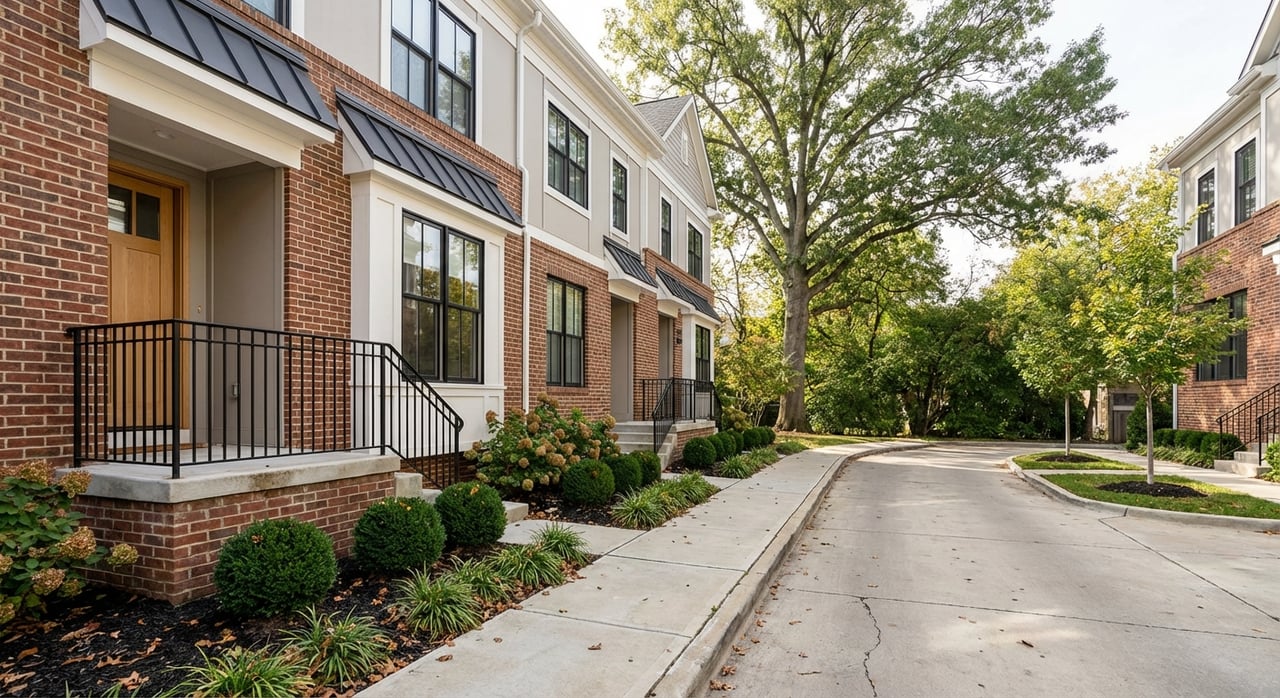
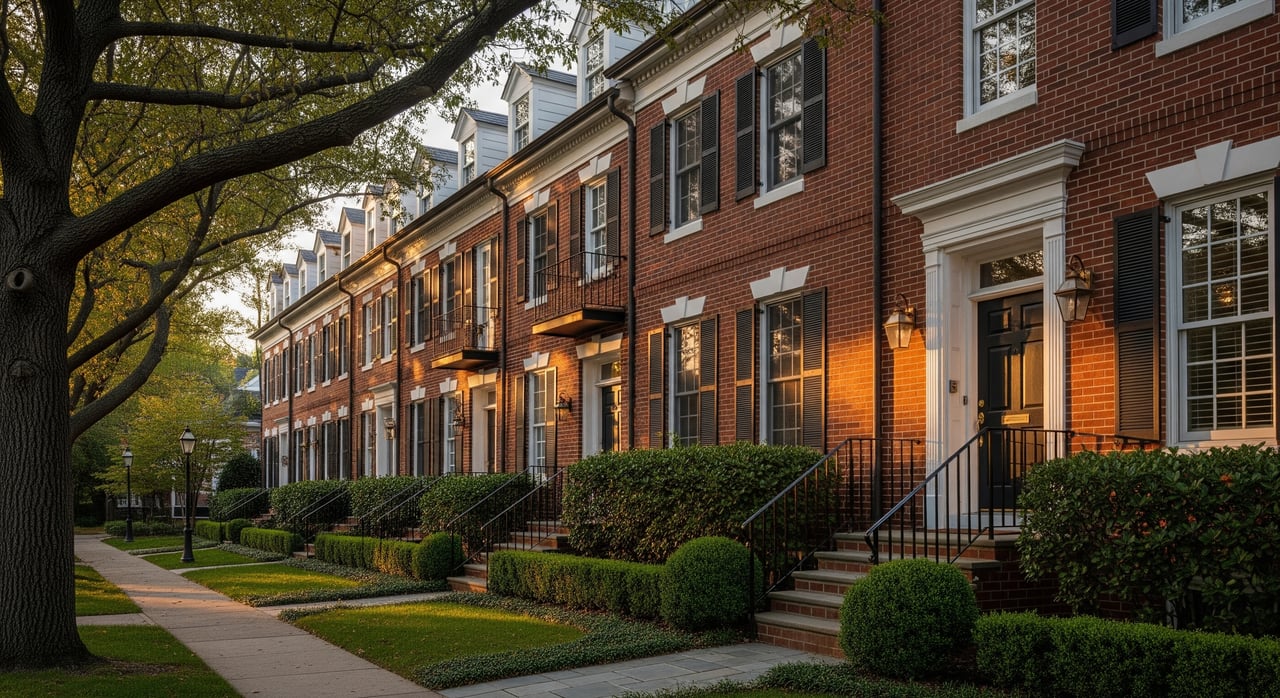
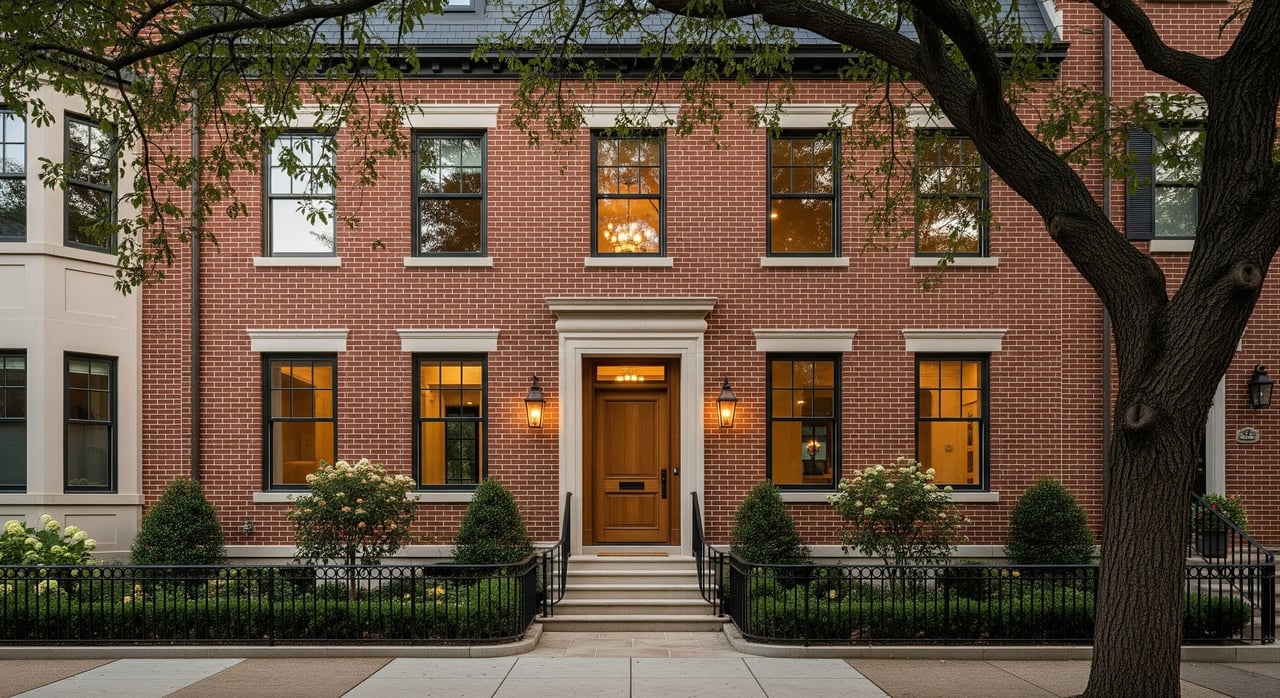
Capitol Hill is known for its historic brick rowhouses with a mix of smaller condo conversions and a few newer infill buildings. Recent neighborhood indicators show a median sale price near the high‑$800Ks, though values vary widely by block and property type. When you compare a condo to a rowhouse, always look at recent sales for similar homes within a one‑mile radius.
Start with your priorities
Begin by ranking what matters most to you right now and over the next 5 to 7 years.
- Budget and financing timeline
- Desire for private outdoor space
- Tolerance for maintenance and surprise repairs
- Parking needs and daily commute pattern
- Renovation plans and historic review appetite
- Future rental or resale goals
Keep this list nearby as you read. It will help you translate the facts below into the right choice for your life.
Ownership and financing: how they differ
How ownership works
- Condos: You own your individual unit and share ownership of the building’s common elements through the association. DC’s condominium statutes define unit boundaries, common areas, and the powers of the association, which affects maintenance, insurance, and how building decisions are made. You can review the legal framework in the District’s condo law for context on rights and responsibilities. See the District’s condominium statutes at DC Code Title 42, Chapter 19.
- Rowhouses: Most are fee‑simple. You own the house and the lot, are responsible for the exterior, and may share party walls or use an alley for access. Many streets fall within a local historic district, which adds a review layer for exterior changes. Learn more about historic considerations at the Capitol Hill Restoration Society’s FAQs.
Why condo financing can be different
Condo loans require a borrower review and a building review. Lenders check the association’s insurance, reserves, occupancy mix, and whether there is litigation or excessive commercial space. Projects that meet agency standards are often called “warrantable.” Those that do not may require larger down payments or specialty loans. For specifics on project reviews and common triggers, see Fannie Mae’s project standards.
If you are using FHA or VA financing, many lenders require that the project be on an approved list or that the lender complete extra steps. This can affect your rate options and your timeline. You can review general guidance at HUD’s single‑family resource page.
Tip: Ask early whether the building is eligible for conventional, FHA, or VA financing and whether your lender will need a full or limited project review. That knowledge can save you time and stress.
Monthly costs: fees, taxes, and upkeep
What condo fees usually cover
Condo assessments typically include the master insurance policy, common area maintenance, roof and exterior work at the building level, snow removal and landscaping for shared spaces, building management, and utilities the building pays as a whole. Some small Capitol Hill conversions run in the low‑ to mid‑hundreds per month, while larger amenitized buildings trend higher. Always review the current budget and reserve contributions to understand whether the building is saving for big projects.
Property taxes in DC
Most homes in DC are taxed at the Class 1 residential rate. If you live in the home as your primary residence and claim the homestead deduction, a fixed dollar amount is subtracted from your assessed value before the rate is applied. The District also uses a split rate for very high assessments, where value above a threshold is taxed at a slightly higher rate. You can read more at the Office of Tax and Revenue’s pages on the residential split tax rate and tax relief and credits.
A simple way to estimate: take your assessed value, subtract the homestead deduction if eligible, then apply the current residential rate. Your lender can escrow taxes into your monthly payment.
Maintenance and capital projects
- Rowhouses: You handle the roof, masonry and tuckpointing, gutters, systems, and any waterproofing. For older brick homes on the Hill, exterior maintenance and roof work are common recurring costs. A roof replacement can range widely by size and material. For high‑level guidance, see typical ranges on HomeAdvisor’s roofing cost guide. Major structural or underpinning projects can run into the tens of thousands depending on scope.
- Condos: Many big repairs are funded at the association level, which is part of what your monthly dues buy. Associations can levy special assessments for large repairs like façade work or elevator replacement. Lenders pay close attention to reserves and whether the budget is realistic, as outlined in Fannie Mae’s standards.
Rule of thumb: Many buyers set aside about 1% of the home’s value per year for maintenance. Older homes or deferred items may require more. For a specific rowhouse, get contractor estimates during inspection.
Renovation and historic rules
Large portions of Capitol Hill fall within a local historic district. Exterior changes that are visible from the street, such as additions, roofline changes, window replacements, or major façade work, often require review by the Historic Preservation Office or the Historic Preservation Review Board. Some routine repairs can be approved at staff level, but larger projects add time and design constraints. Before you plan a big exterior change, review the Capitol Hill historic district FAQs.
Inside your home, standard building and safety codes still apply. In condos, the association’s rules may restrict layout changes that touch common elements or mechanical systems. Always check the bylaws and consult the association before planning construction.
Lifestyle tradeoffs: noise, space, and storage
- Noise and privacy: In condos, noise can come from adjacent units, hallways, or building systems. In rowhouses, shared party walls also transmit sound, but you control your own entry and interior layout. Your experience will depend on construction quality and house rules.
- Outdoor space: Rowhouses commonly include a rear yard, stoop, or roof deck potential, along with basement and attic storage. Many condos offer a balcony or shared courtyard and rely on assigned storage cages, if any. If you prioritize gardening, grilling, or play space, note those differences.
- Day‑to‑day control: Rowhouses give you more autonomy over finishes and features. Condos reduce hands‑on upkeep, which can be a major benefit if you travel or prefer low‑maintenance living.
Parking and transportation on the Hill
Many Capitol Hill blocks operate under Residential Permit Parking. Residents use DC’s ParkDC system to manage permits and visitor passes. The presence of off‑street parking, like an alley space or garage, can be a meaningful value and convenience difference. Learn how RPP and visitor permits work at ParkDC.
If a listing mentions parking, verify whether it is deeded, assigned, or simply on‑street with a permit. In condos, confirm any fees for a garage space.
Rental options: short‑term and long‑term
DC distinguishes between host‑present short‑term rentals and host‑absent vacation rentals. Host‑absent rentals are generally capped at a set number of nights per year and require licensing and registration. Condo associations may restrict or prohibit short‑term rentals in their governing documents. Review DC’s rules at the Department of Licensing and Consumer Protection and check the association bylaws before you buy.
If you are thinking about long‑term rental flexibility, make sure your lender’s financing terms and the association rules allow it.
Flexibility, ADUs, and two‑unit paths
Some Capitol Hill rowhouses sit in zones where accessory apartments or two‑unit configurations are allowed with conditions. Rules vary by zone and may include owner‑occupancy requirements for accessory apartments, while two‑unit flat rules in certain RF zones follow a different path. The historic overlay, building code, ceiling height, egress, and lot coverage rules all matter for feasibility. Start your research with the District’s zoning and permitting resources at the Department of Buildings and confirm the specifics for your address.
Resale outlook on the Hill
Capitol Hill benefits from steady demand tied to proximity to the Capitol, strong walkability, and historic character. Well‑maintained rowhouses on prime blocks tend to attract family and move‑up buyers, while condos often appeal to first‑time buyers, downsizers, and some investors. Your resale results will still come down to condition, presentation, and pricing against recent comps. If you plan to sell within a few years, focus on timeless finishes and careful maintenance to protect value.
What to review before you write an offer
For condos: association documents
- Recent operating budget and current reserve balance
- Master insurance declarations and fidelity coverage
- Meeting minutes from the last 12 to 24 months
- Any planned or pending special assessments or litigation
- A completed condo questionnaire or estoppel letter confirming dues, arrears, and owner‑occupancy
- Whether the project is eligible for agency financing or requires a lender project review, and if a recent review is available. You can see how lenders evaluate projects in Fannie Mae’s standards and their Condo Project Manager tool overview
For rowhouses: physical condition
- Roof age and condition, recent repair invoices or warranties
- Masonry and tuckpointing status, visible cracking, and water management
- HVAC, electrical, and plumbing age and service records
- Basement moisture control and any prior waterproofing
- Permit history for past renovations
- Any exterior changes that could trigger a historic review for future work
Red flags for both
- Lawsuits, unresolved structural issues, or repeated special assessments in condos
- Low reserves or unrealistic budgets at the association level
- Missing or inadequate master insurance for condos
- Unresolved water intrusion, aging roofs, or unpermitted work in rowhouses
A simple decision framework
Use this quick, side‑by‑side check before you choose.
- If you want lower‑maintenance living and predictable monthly costs, lean condo. Confirm project warrantability and reserves early.
- If private outdoor space and long‑term control matter more, lean rowhouse. Budget for periodic roof and masonry work.
- If you plan a major exterior renovation, assess historic review requirements before you buy.
- If parking is critical, verify deeded or assigned spaces in writing. Learn RPP rules at ParkDC.
- If rental flexibility is important, confirm DC licensing rules and any condo restrictions at the DLCP short‑term rental page.
Ready to compare specific homes in your target blocks and price band? Let’s put real numbers to this decision. For a side‑by‑side of current comps, condo documents, and renovation timelines on the Hill, reach out to Rick Shewell for a focused, local plan.
FAQs
What are the biggest financing differences for Capitol Hill condos vs rowhouses?
- Condos require a building‑level review in addition to your loan approval; factors like reserves, insurance, owner‑occupancy, and litigation affect eligibility and rates, as outlined in Fannie Mae’s project standards.
How do DC property taxes work for a Capitol Hill home?
- Most homes fall under the Class 1 residential rate; owner‑occupants may claim the homestead deduction, and very high assessments are subject to a split rate, detailed by the Office of Tax and Revenue at the residential split rate FAQ.
What do condo fees on Capitol Hill typically include?
- Dues often cover the master insurance policy, exterior and common area maintenance, management, some shared utilities, and reserve contributions; always confirm coverage and reserve health in the association budget.
How do historic district rules affect a Capitol Hill rowhouse renovation?
- Exterior changes visible from the street often require review by the HPO or HPRB, which can add time and design constraints; see the Capitol Hill historic district FAQs for what typically needs review.
What documents should I request before buying a Capitol Hill condo?
- Ask for the current budget and reserves, master insurance, recent meeting minutes, any assessment or litigation notices, and a completed condo questionnaire or estoppel; see how lenders evaluate projects in Fannie Mae’s guide.
Are short‑term rentals allowed in Capitol Hill properties?
- DC requires licensing and caps host‑absent nights for many hosts, and condo bylaws may further restrict or prohibit short‑term rentals; review the DLCP guidance and building rules before you buy.