If you are thinking about buying your first Capitol Hill rental property, the opportunity can look exciting and complicated at the same time. This part of DC offers classic rowhouses, condo options, and a neighborhood fabric that feels very different from newer suburban rental markets. If you want a clearer picture of what to buy, what rules matter, and what to budget for, this guide will help you start with confidence. Let’s dive in.
Why Capitol Hill looks different
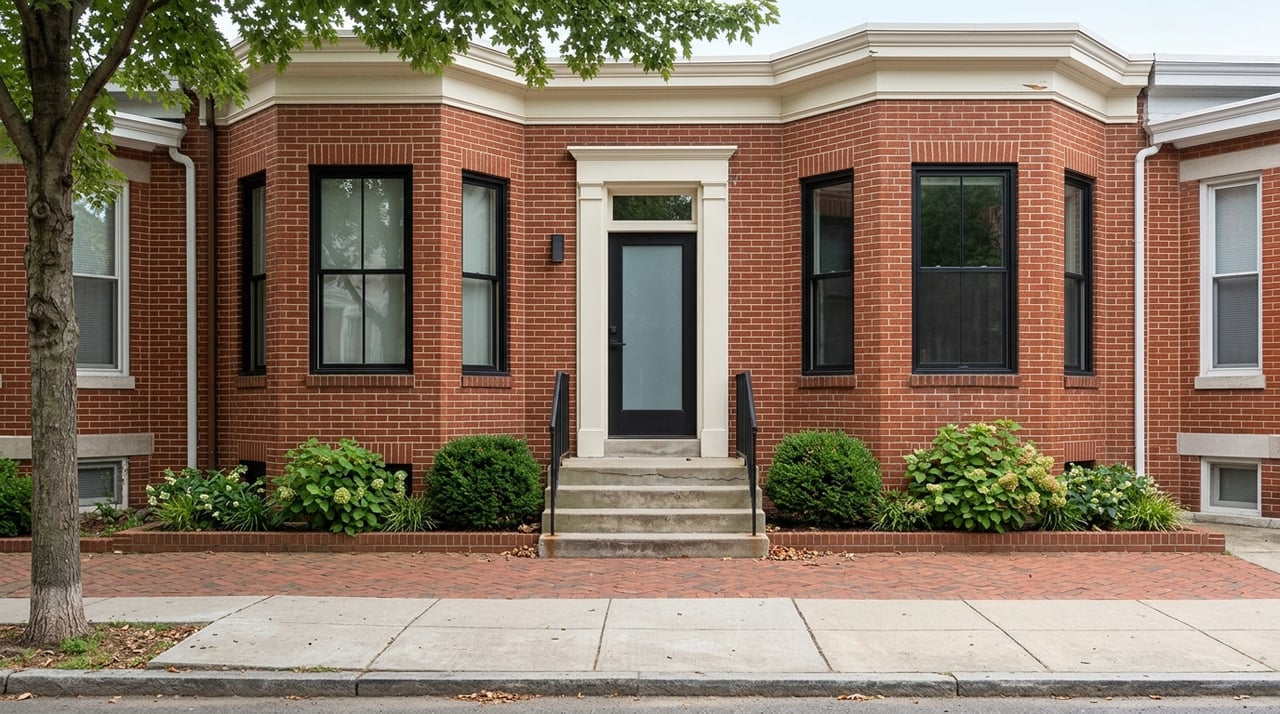
Capitol Hill is one of Washington, DC’s oldest neighborhoods, and that shapes the kind of rental property you are likely to find. The housing stock includes historic rowhouses, attached homes, small apartment houses, and condo units woven into older streetscapes.
For a first-time investor, that usually means you are not shopping for a typical garden-style apartment building. More often, you are comparing an older rowhouse, a condo, or a small multifamily-style property in a historic setting.
That older housing character can be a real draw for tenants who want an urban DC location. It also means you need to pay closer attention to building condition, property rules, and the extra steps that may come with exterior work.
Start with the right property type
Choosing the right first investment often matters more than chasing the biggest possible rent number. In Capitol Hill, your decision usually comes down to whether you want the control and complexity of a rowhouse or the simpler ownership structure of a condo.
Rowhouses offer control and responsibility
Rowhouses are the defining Capitol Hill housing type. If you buy one, you typically have more control over the building and more flexibility in how you maintain and present the property.
That control can come with added responsibility. Older systems, exterior maintenance, and permit-related issues can increase your time commitment and your repair budget.
Condos can simplify some ownership tasks
A condo may feel more approachable if you want a lower-maintenance entry point. In many cases, shared building systems and common-area responsibilities are handled at the association level rather than by you alone.
That said, you still need to understand the unit’s rental status, carrying costs, and how DC rental rules apply. A condo is not automatically a simpler investment from a compliance standpoint.
Historic review can affect your plans
In Capitol Hill, historic-preservation review is one of the biggest practical differences from newer neighborhoods. If your project needs a building permit and affects the exterior appearance of a historic property, DC requires historic-preservation review.
In real terms, that can affect additions, decks, window replacement, fences, garages, and other exterior changes. If you are underwriting a value-add plan, build in more time and more paperwork before assuming the work is easy to complete.
This matters most if you are buying a property that needs visible exterior updates. A design-minded renovation can still make sense, but your timeline may be longer than expected if historic review is involved.
Know DC rental rules before you buy
A Capitol Hill rental is not just a real estate purchase. It is also an operating business inside a very specific DC regulatory system, and you need to understand that system before you make an offer.
Registration is not optional
DC’s Rental Housing Act applies to all rental housing accommodations in the District. Every rental unit must be registered with DHCD’s Rental Accommodations Division as either rent-controlled or exempt.
If a unit is not registered, rent control applies automatically. That is a major issue for underwriting because an unregistered property can create a very different income picture than the one a buyer may have expected.
Rent control can change your projections
Some units are exempt from rent control, including certain subsidized units, units built after 1975, units owned by a natural person who owns no more than four rental units in DC, and units that were vacant when the law took effect. Whether a property qualifies for an exemption should be verified early.
For units under rent control, the 2026 standard annual increase cap is 4.1% for most tenants and 2.1% for elderly or disability tenants who have registered that status. If you are building a cash flow model, that can limit rent growth compared with a fully market-rate asset.
Application fees and deposits are capped
DC also regulates lease-up costs. The 2026 maximum rental application fee is $54, and that cap applies to both rent-controlled and non-rent-controlled units.
Security deposits may not exceed one month’s rent. Ordinary wear and tear also cannot be charged against the deposit, so your move-in and move-out documentation process matters.
Required disclosures matter
At the application stage, landlords must disclose a long list of items, including the applicable rent, pending petitions, rent-controlled or exempt status, code-violation reports, the application fee, security-deposit details, condo or co-op conversion status, ownership information, mold information, and the Tenant Bill of Rights.
For pre-1978 homes, lead-disclosure rules also apply before lease signing. Since many Capitol Hill properties are older, this is not a small detail. It is part of the standard workflow you should expect.
Underwrite vacancy with care
A rental property can look strong on paper if you assume perfect occupancy, fast turnover, and rising rents. In practice, a better first purchase plan includes room for vacancy and normal operating friction.
DC’s annual rental vacancy rate was 7.9% in 2025, up from 6.8% in 2024. While that is a citywide number rather than a Capitol Hill-only figure, it is a reasonable baseline for planning and supports setting aside a vacancy reserve.
That reserve can protect you from overestimating cash flow during lease transitions. It also helps you make calmer decisions if a unit takes longer to re-rent than expected.
Plan for turnover and access rules
Lease management in DC comes with specific notice and access requirements. If you are buying your first rental, these rules are worth understanding before you become a landlord.
Month-to-month tenants generally cannot be required to give more than 30 days’ notice to vacate. That means turnover can happen on a tighter timeline than some owners expect.
Landlords can only enter with at least 48 hours’ written notice during reasonable hours and for reasonable purposes such as repairs or showings. If you are self-managing, your systems need to be organized and well documented.
Understand eviction and exit limits
Many first-time investors focus on buying and leasing but spend less time thinking about what happens when things go wrong or when they want to sell. In DC, both situations require planning.
Landlords may evict only for one of ten statutory reasons, and a tenant cannot be evicted just because the lease expires. Most cases require court process with US Marshals supervision, and self-help eviction is not allowed.
If you later decide to sell or convert a rental property, DC conversion-and-sale rules, including TOPA, can trigger tenant notices and purchase rights. That is why your exit strategy should be part of your acquisition strategy from day one.
Choose property management carefully
The right property manager can make a first rental feel much more manageable. The wrong one can create compliance problems, missed deadlines, and unnecessary costs.
If you hire a manager, make sure they understand DC’s licensing and inspection structure. To obtain or renew a Basic Business License as a rental property provider, landlords must pass an inspection, and a failed inspection or late reschedule can trigger a $90 reinspection fee.
You should also ask how the manager handles RentRegistry. As of June 2, 2025, paper filings are largely no longer accepted, and stakeholders including property managers and agents must use the platform for most filings.
For older Capitol Hill properties, a strong manager should also be comfortable coordinating historic-review issues, lead-disclosure workflows, and contractors working on older homes. That combination is especially important if you own a rowhouse with planned exterior work.
A practical first-purchase checklist
Before you buy a Capitol Hill rental, focus on a few issues that can change your numbers quickly:
- Verify whether the unit is registered and whether it is rent-controlled or exempt
- Review likely vacancy and turnover assumptions instead of assuming immediate rerental
- Budget for older-property repairs and maintenance
- Check whether planned exterior improvements may need historic-preservation review
- Confirm how disclosures, application fees, deposits, and lease paperwork will be handled
- Ask how licensing, inspections, and RentRegistry filings will be managed
- Think through your long-term exit plan, including future sale or conversion rules
A first investment goes more smoothly when your underwriting reflects the property’s real operating environment. In Capitol Hill, that means respecting both the charm of the housing stock and the structure of DC rental law.
Why local guidance helps
Capitol Hill can be a smart place to start if you want a rental property in a classic DC neighborhood with enduring housing demand and distinctive architecture. But it is not a plug-and-play market, and success often comes from buying with clear eyes rather than buying on emotion.
When you understand the property type, the compliance requirements, and the likely management demands, you can make better decisions from the start. That is especially true in a neighborhood where historic character and city rules both shape the investment.
If you are exploring condos, rowhouses, or rental-ready opportunities in Capitol Hill, working with someone who knows DC neighborhoods and investor concerns can save you time and help you avoid expensive assumptions. When you are ready to talk through your options, connect with Rick Shewell for informed, local guidance.
FAQs
What types of rental properties are most common in Capitol Hill?
- In Capitol Hill, first-time investors are most likely to consider older rowhouses, attached homes, small apartment houses, or condo units rather than newer suburban-style rental products.
Does a Capitol Hill rental property need to be registered in DC?
- Yes. Every rental unit in DC must be registered with DHCD’s Rental Accommodations Division as either rent-controlled or exempt, and if a unit is not registered, rent control applies automatically.
Can rent control affect a Capitol Hill investment property?
- Yes. For rent-controlled units, the 2026 annual increase cap is 4.1% for most tenants and 2.1% for elderly or disability tenants who have registered that status, which can affect your projected rent growth.
Are application fees and security deposits capped for DC rental properties?
- Yes. DC’s 2026 maximum rental application fee is $54, and security deposits may not exceed one month’s rent.
Do older Capitol Hill properties have extra compliance steps?
- Yes. Older properties may involve lead-disclosure requirements before lease signing, and exterior work on historic properties may require historic-preservation review if a permit is needed.
Should you hire a property manager for a Capitol Hill rental?
- A property manager can be helpful, especially if they understand DC inspections, licensing, RentRegistry filings, disclosures, and the extra workflow that can come with older or historic housing.