If you want a Northern Virginia town that feels established, easy to navigate, and connected to both nature and the wider DC region, Vienna is worth a close look. For many buyers, the appeal is not just location. It is the mix of a recognizable town center, longtime neighborhoods, outdoor access, and commuter convenience. If you are wondering what day-to-day life in Vienna, Virginia actually feels like, this guide will walk you through the pace, housing, parks, and practical details that shape daily living. Let’s dive in.
Vienna at a glance
Vienna is a compact town in Fairfax County with 16,562 residents across 4.40 square miles. It sits about 15 miles from Washington, DC, which helps explain why it often attracts people who want suburban space with access to major job centers and transit connections.
The town also has an established residential feel. Census data shows an 82.9% owner-occupancy rate, a median household income of $223,571, and a median home value of $961,100. Those numbers point to a stable, higher-cost market where many residents appear to put down long-term roots.
Vienna’s population mix adds to its everyday character. About 27.8% of residents are under 18, 14.5% are 65 and older, 21.7% are foreign-born, and 26.0% speak a language other than English at home. In practical terms, that suggests a town with a strong household presence and some international diversity.
Community feel in Vienna
One of Vienna’s defining traits is that it still feels like a town, not just a collection of subdivisions. The town describes itself as having small-town friendliness, charming neighborhoods, and a preserved local identity. That comes through most clearly around Maple Avenue and Church Street.
Maple Avenue, also known as Route 123, is the main commercial corridor. It includes restaurants, specialty shops, family-run businesses, and smaller stores that support everyday errands and dining close to home. Instead of feeling fully urban or entirely car-dependent, Vienna tends to land somewhere in the middle.
Historic Church Street adds another layer to the town’s identity. Vienna has a formal vision plan aimed at preserving the character of what was once the main street, using a late-19th-century small-town streetscape approach. For you as a resident, that can translate into a stronger sense of place than you might find in a more generic suburban setting.
What daily life feels like
In day-to-day terms, life in Vienna often looks like a blend of commuting, local routines, and community events. You may run errands along Maple Avenue, meet friends locally, or head into DC, Fairfax County, or elsewhere in Northern Virginia for work.
The town also appears set up for regular activity in its core. Vienna notes that several public parking lots provide convenient access to the town center, which can make quick trips and local outings more manageable. That may sound small, but in busy suburban areas, easy access can shape how often you actually use local businesses and public spaces.
Community events are a visible part of the rhythm here. The town’s calendar highlights recurring gatherings such as Summer on the Green, ViVa! Vienna!, Chillin’ on Church, Independence Day celebrations, and Oktoberfest. If you value a place where civic life feels active rather than occasional, Vienna offers that kind of pattern.
Housing in Vienna
Vienna’s housing stock is not one-note. Instead, it reflects several waves of growth, which gives buyers a broader mix of home styles and neighborhood settings than they may expect at first glance.
According to the town’s history, post-World War II growth brought new homes that blended with older housing. During the 1950s, businesses shifted from Church Street to Maple Avenue as new subdivisions expanded around the town center. That history helps explain why Vienna can feel layered, with different pockets offering different streetscapes and home types.
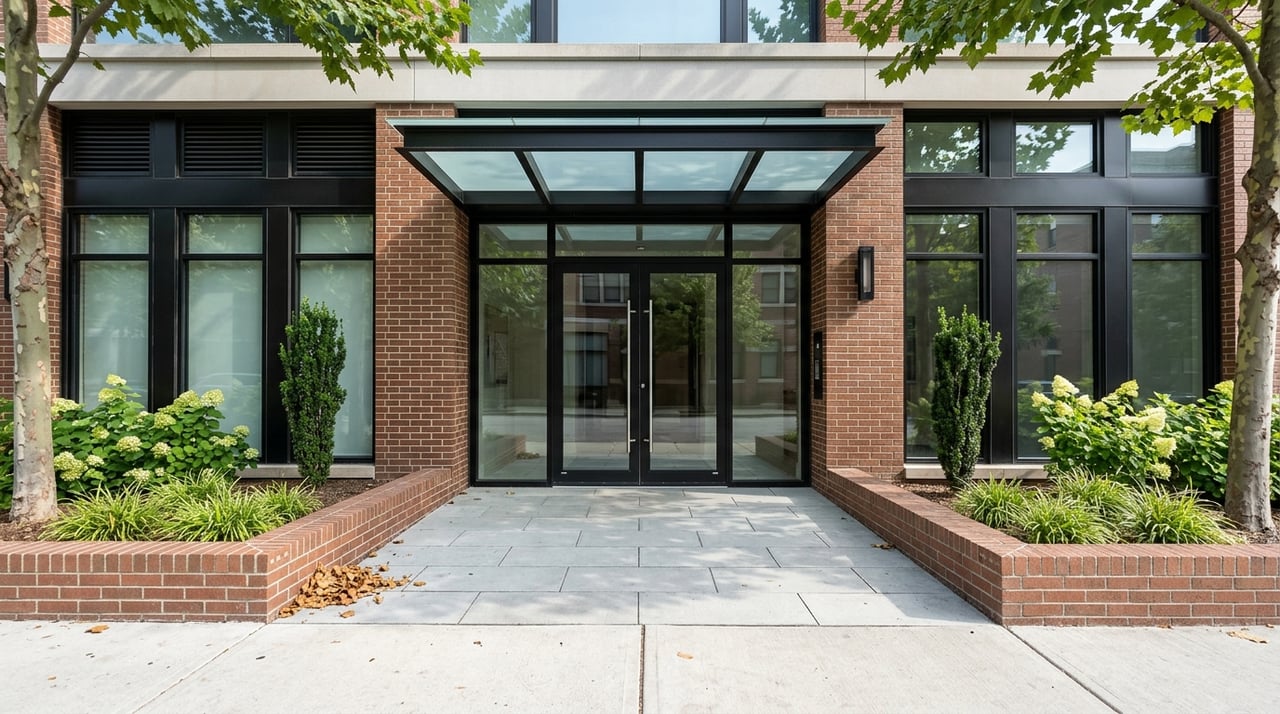
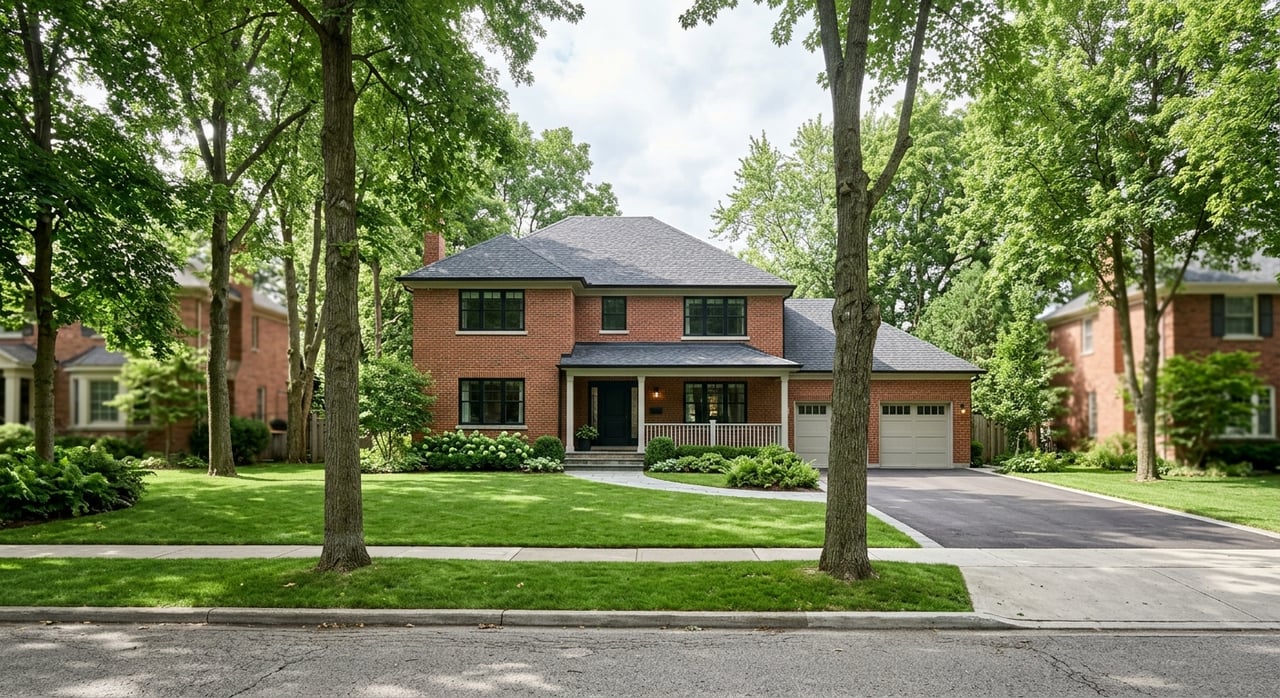
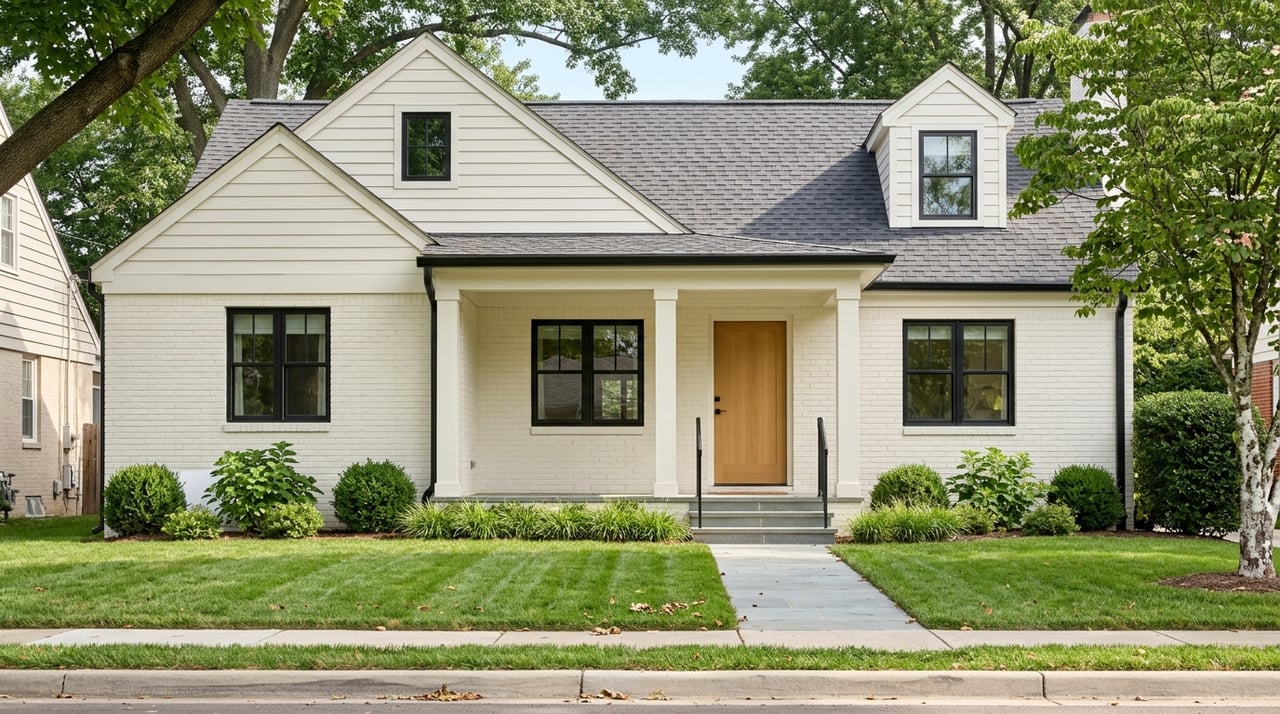
In the Windover Heights Historic District, the town says the neighborhood has changed little since the turn of the century and is made up mostly of older homes, open spaces, and meandering, tree-lined streets. Elsewhere, buyers may find mid-century suburban homes and later infill or subdivision-era construction. Based on the town’s history, Vienna is best understood as a mix of historic in-town homes, mid-century neighborhoods, and newer additions rather than one uniform housing product.
What the price point means
Price is a major part of the Vienna lifestyle conversation. Census data puts the median owner-occupied home value at $961,100, median gross rent at $2,430, and median monthly owner costs with a mortgage at more than $4,000.
That does not automatically tell you what any one home will cost, but it does frame Vienna as a higher-cost market. If you are considering a move here, it helps to think about Vienna less as an entry-level suburb and more as an established town where many buyers are making a long-term housing decision.
The ownership pattern reinforces that point. With 82.9% owner occupancy and 88.7% of residents living in the same house as a year earlier, Vienna reads as a place where people tend to stay. For buyers, that can mean a more settled residential feel and a market where turnover may be more limited than in highly transient areas.
Parks and trails shape the lifestyle
If outdoor access matters to you, Vienna stands out. The town’s Parks and Recreation Department maintains 12 parks, miles of trails and stream valleys, athletic fields, and public landscapes, while also offering hundreds of recreational and cultural programs each year.
That matters because parks here do not feel like an afterthought. They are part of the town’s identity and part of how many residents likely spend their free time. Whether your routine includes walks, playground stops, sports, or community programs, the infrastructure is already built into everyday life.
Two local parks help illustrate that experience. Nottoway Park spans 84 acres and includes tennis courts, basketball, volleyball, a fitness trail, picnic areas, and a wooded nature path. Wildwood Park and Trail offers a paved, mostly flat half-mile wooded trail that is described as approachable for walkers, runners, cyclists, and children learning to ride.
The W&OD Trail advantage
One of Vienna’s biggest lifestyle assets is direct access to the W&OD Trail. NOVA Parks describes it as a 45-mile paved corridor, with both Vienna East and Vienna West access points located in town.
Vienna East is by the Vienna Community Center, while Vienna West is by the train station. That kind of access can make the town feel more active and connected than a suburb where outdoor recreation requires a drive. If you like the idea of walking, biking, or running as part of your regular routine, Vienna offers a clear advantage.
Commuting from Vienna
Vienna is well known as a commuter location, and the transit setup supports that reputation. Vienna Metro is the final Orange Line stop in Virginia, and WMATA says the station provides an intermodal connection to I-66.
The town’s mean travel time to work is 26.7 minutes. While commute experiences vary by destination and schedule, that figure fits Vienna’s role as a suburb connected to Washington, DC, Fairfax County, and the broader Northern Virginia employment base.
For many buyers, this is part of the draw. You can have a more residential environment while still keeping practical access to rail and major road networks. That balance is a key part of what living in Vienna feels like.
Schools and address-specific details
Vienna is served by Fairfax County Public Schools. In-town campuses include Vienna Elementary School and James Madison High School.
If schools are part of your home search, it is important to remember that attendance zones are address-specific. In other words, there is no single townwide feeder pattern you should assume based on a Vienna mailing address alone. Verifying school assignments for any specific property is an important step during your search.
Who Vienna may fit best
Vienna often appeals to buyers who want a clear town identity, established neighborhoods, and a more rooted residential atmosphere. If you like the idea of local events, trail access, and a real downtown corridor, Vienna offers a strong mix of those features.
It may also be a good fit if you want housing options that feel varied rather than repetitive. The mix of older homes, mid-century neighborhoods, and later construction gives buyers more than one path into the market, even within a relatively compact town.
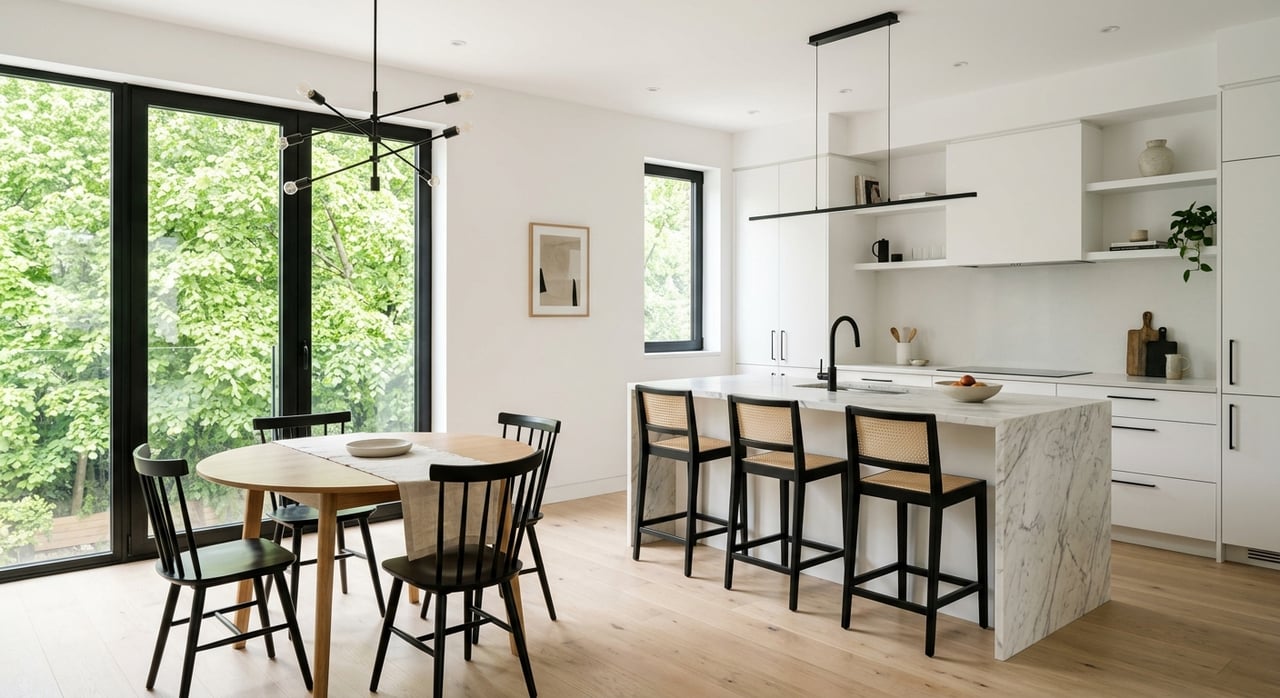
At the same time, Vienna’s price point means it is important to go in with realistic expectations. This is a premium suburban market, and the right strategy matters whether you are searching for an in-town property, a neighborhood with mature trees, or a home with updated finishes and commuter convenience.
If you are considering a move to Vienna and want practical guidance on how it compares with nearby parts of Northern Virginia or DC, Rick Shewell can help you evaluate the options with a local, design-aware perspective.
FAQs
What is the overall feel of living in Vienna, Virginia?
- Vienna feels like an established Fairfax County town with a recognizable center, local businesses, community events, and a more residential pace than an urban neighborhood.
What types of homes can you find in Vienna, Virginia?
- Vienna appears to offer a mix of historic in-town homes, mid-century suburban neighborhoods, and later infill or subdivision-era construction rather than one uniform housing style.
Is Vienna, Virginia an expensive place to live?
- Census data shows a median owner-occupied home value of $961,100, median gross rent of $2,430, and median monthly owner costs with a mortgage above $4,000, which points to a higher-cost housing market.
How is commuting from Vienna, Virginia?
- Vienna Metro is the final Orange Line stop in Virginia and connects with I-66, and the town’s mean travel time to work is 26.7 minutes.
Does Vienna, Virginia have good parks and trails?
- Vienna has 12 parks, miles of trails and stream valleys, access to Nottoway Park and Wildwood Park and Trail, and direct access to the 45-mile W&OD Trail.
How do school assignments work in Vienna, Virginia?
- Vienna is served by Fairfax County Public Schools, but school attendance zones are address-specific, so you should verify assignments for any property you are considering.