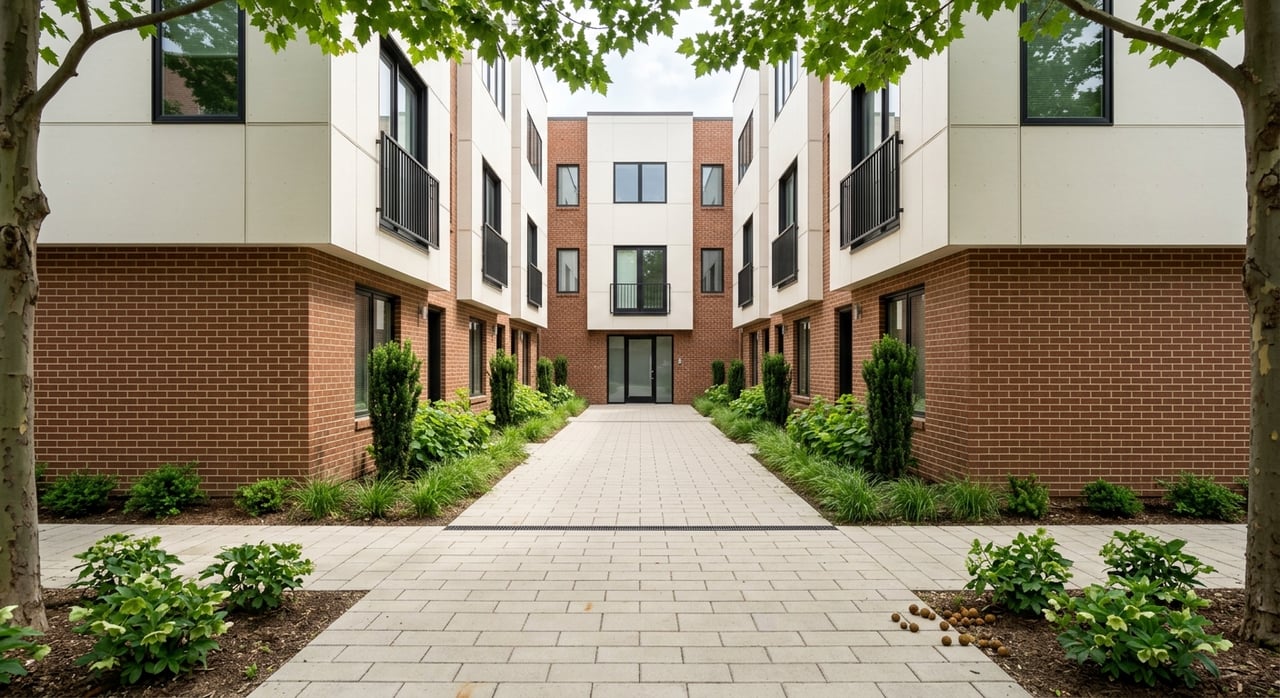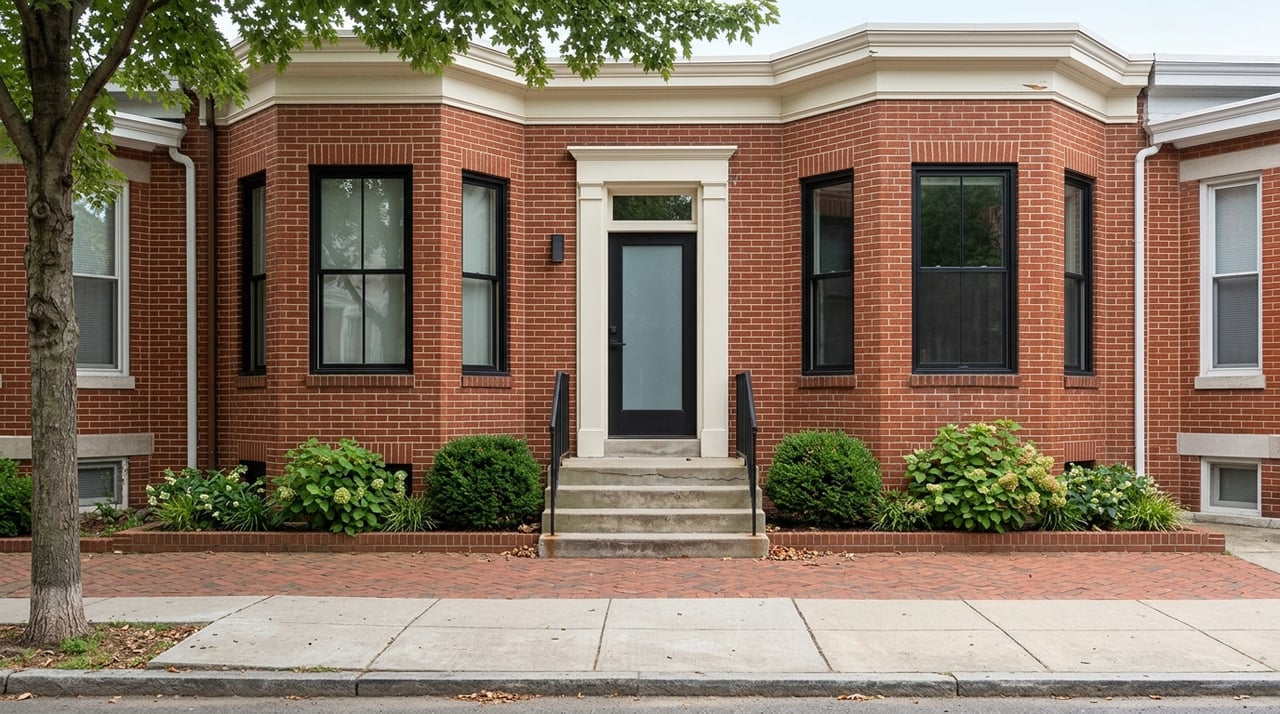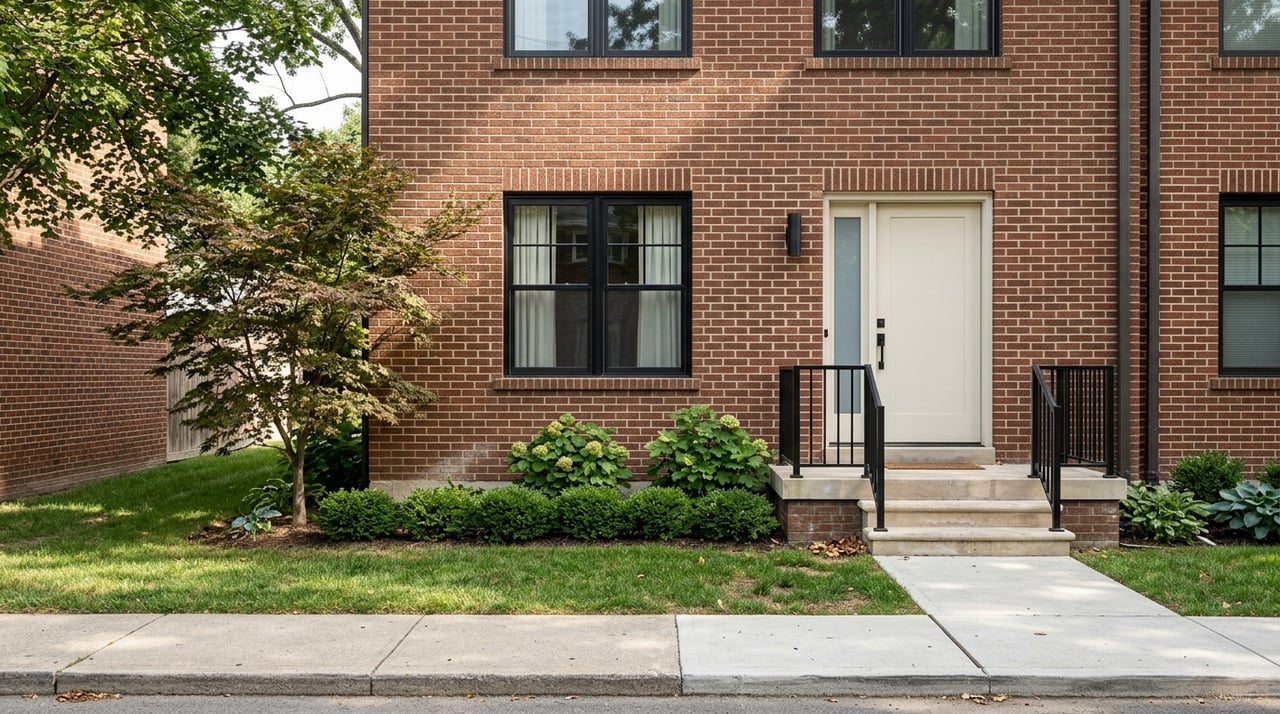
Trying to decide between a Fairfax townhome and a single-family home? You are not alone. Many buyers reach this point when they want the right mix of price, privacy, maintenance, and daily convenience. The good news is that Fairfax gives you strong options on both sides, and the better choice usually comes down to how you want to live, not just what you want to spend. Let’s break it down.
Start With the Price Gap
If you are shopping across Fairfax County, the price difference between these two property types is meaningful. Fairfax County’s 2025 year-end segment data shows an average price of $945,405 for single-family homes and $650,354 for townhomes. That is a difference of $295,051, or about 31.2%.
Inside the City of Fairfax, the gap looks much smaller. The city’s 2024 assessed values show detached homes at $739,000 and townhouses at $682,000, which is a difference of $57,000, or about 7.7%. That is an important reminder that “Fairfax” can mean different things depending on whether you are looking in Fairfax City or the broader county.
This is one of the biggest reasons buyers should compare options by area, not just by home type. A detached home may feel far more attainable in Fairfax City than it does in many parts of Fairfax County. If you are weighing value, your map matters just as much as your budget.
Inventory and Competition Matter Too
Price is only part of the story. Fairfax County’s 2025 data shows 6,148 annual sales for single-family homes and 3,102 for townhomes, with average month-end inventory of 573 single-family homes and 201 townhomes.
That tells you there are typically more single-family homes available than townhomes in the county, but demand remains active in both segments. A March 2026 regional market update from NVAR reported a median sold price of $760,000 and average days on market of 25 across Northern Virginia. In practical terms, you should still be prepared to move with purpose when the right home comes up.
Compare the Monthly Ownership Picture
A townhome often looks more affordable at the purchase stage, but you still need to look at the full monthly cost. In many townhome communities, an HOA may cover some exterior maintenance and common-area care. That can reduce the time and effort you spend on upkeep, but it also means you need to budget for HOA dues and review community rules and potential special assessments.
HOA costs can vary widely based on location, age, condition, property value, and amenities. Some communities include features like pools or fitness centers, and those perks are usually funded through association fees. If you are comparing a townhome to a detached home, do not stop at the mortgage payment alone.
With a single-family home, the owner is generally responsible for the full property. That includes upkeep, yard care, repairs, and ongoing maintenance planning. Fannie Mae also notes that putting off maintenance can make repairs more expensive later, so it is smart to build routine upkeep into your budget from the start.
Maintenance: Convenience vs Control
For many buyers, maintenance is the real dividing line. A townhome can offer a more manageable ownership experience, especially if you prefer less exterior work or a simpler weekend routine. That can be appealing if your schedule is already full or if you want a lower-maintenance lifestyle.
A single-family home gives you more control, but also more responsibility. You may have more freedom in how you care for the property and use the outdoor space, but you are also the one arranging the work and paying for it. If you like autonomy and do not mind a longer home to-do list, that may feel worth it.
This is where your daily habits matter more than broad advice. Some buyers would gladly trade yard work for convenience. Others want full control over the property and see that extra work as part of the value.
Outdoor Space in Fairfax
Single-family homes usually offer more yard space, more privacy, and more room to customize. They may also offer more storage options, while townhomes often have smaller yards and less storage in areas like attics or basements. If private outdoor living is high on your list, detached housing often has the edge.
That said, Fairfax has a strong public outdoor network that changes the equation. Fairfax City reports 279 acres of public parkland and more than 21 miles of trails. Fairfax County Park Authority manages more than 22,000 acres and over 334 miles of trails.
That means a smaller private yard may feel less limiting here than it would in a less park-rich area. If you would rather skip heavy yard maintenance but still want easy access to green space, trails, and recreation, a townhome may fit your lifestyle very well. If you want gardening space, a larger private yard, or more separation from neighbors, a single-family home may still be the better match.
Privacy and Flexibility
Privacy is often one of the clearest lifestyle differences. A detached home usually gives you more separation from neighboring properties, more outdoor buffer, and more freedom to personalize the home over time. For buyers thinking long term, that flexibility can be a major advantage.
Townhomes can still offer comfortable and stylish living, but they often involve more shared walls and closer spacing. For some buyers, that is an easy trade for a lower entry price and reduced exterior upkeep. For others, privacy is a non-negotiable feature.
If you are unsure, think about what tends to bother you more in daily life. Is it maintenance and yard work, or is it having less separation and less private outdoor space? Your answer usually points you in the right direction.
Commute Access Depends on Location
Many buyers assume townhomes are automatically better for commuting, but in Fairfax, location matters more than property type. Fairfax City’s fare-free CUE Bus connects riders to George Mason University, the Vienna/Fairfax-GMU Metrorail station, Old Town, neighborhoods, parks, schools, and other destinations. Fairfax County also offers broad commuter options through Metrorail, VRE, Fairfax Connector, Metrobus, commuter garages, and nearly 30 free park-and-ride lots.
If you drive to Metro, paid parking at stations such as Vienna/Fairfax-GMU is available for $4.95 per day. That gives you a useful benchmark when comparing homes that may not be walkable to rail service but still offer practical commuter access.
In other words, the better commute choice is usually the home that sits near the right road, bus line, station, or park-and-ride option for your routine. Some townhome communities may feel more transit-oriented, but a detached home can work just as well if it is in the right corridor and offers the parking setup you need.
A Simple Fairfax Decision Framework
If your top priorities are lower purchase price, easier upkeep, and a more streamlined monthly lifestyle, a townhome may be the better fit. This can be especially true if you want to stay closer to certain parts of Fairfax without taking on the higher cost of a detached home.
If your top priorities are privacy, larger outdoor space, and more flexibility over time, a single-family home may be worth the higher purchase price and ongoing maintenance. That extra cost often buys more space, more separation, and more control.
The local numbers suggest the gap between the two home types is not likely to shift dramatically in the near term. NVAR’s 2026 regional forecast expects single-family prices to rise 1.9% and townhome median prices to rise 1.7%. That points to a market where your decision should center more on lifestyle fit and monthly comfort than on trying to time a major change in the spread.
Questions to Ask Yourself Before You Buy
Before you decide, it helps to get specific about how you want your home to function day to day. Ask yourself:
- Do you want a lower purchase price, even if it comes with HOA rules and dues?
- Do you want less exterior maintenance and yard work?
- How important is private outdoor space?
- How much privacy do you want from neighbors?
- Will you use parks and trails enough that a smaller yard feels fine?
- Is your commute shaped more by transit access, driving routes, or parking?
- Are you comfortable budgeting for repairs directly, or would you rather some upkeep be handled through an HOA structure?
Clear answers to those questions can make the choice much easier.
Whether you are comparing a design-forward townhome or a detached home with more room to grow into, the best move is the one that fits your budget and your daily life. If you want help sorting through Fairfax options with a clear, practical strategy, connect with Rick Shewell for expert guidance tailored to your move.
FAQs
How much more does a single-family home cost than a townhome in Fairfax?
- In Fairfax County, 2025 data shows single-family homes averaged $945,405 and townhomes averaged $650,354, a difference of $295,051. In the City of Fairfax, 2024 assessed values showed detached homes at $739,000 and townhouses at $682,000, a much smaller $57,000 gap.
What does an HOA usually cover for a Fairfax townhome?
- Coverage varies by community, but an HOA may handle some exterior maintenance and common-area care. You should also review HOA fees, community rules, and the possibility of special assessments before you buy.
Is a townhome a better choice for lower maintenance in Fairfax?
- Often, yes. Townhomes can reduce the amount of exterior work and yard care you handle yourself, while single-family homes usually place more of that responsibility directly on the owner.
Do single-family homes in Fairfax offer more privacy and yard space?
- In general, yes. Detached homes usually offer more privacy, more outdoor space, and more flexibility for customization than townhomes.
Can Fairfax parks and trails make up for a smaller townhome yard?
- For many buyers, they can. Fairfax City has 279 acres of public parkland and more than 21 miles of trails, and Fairfax County Park Authority manages more than 22,000 acres and over 334 miles of trails.
Is a townhome better for commuting in Fairfax?
- Not always. In Fairfax, commute convenience usually depends more on the home’s proximity to Metro, bus service, park-and-ride lots, and major roads than on whether the home is a townhome or a detached house.
Are detached homes and townhomes expected to appreciate differently in Fairfax?
- NVAR’s 2026 regional forecast expects single-family prices to rise 1.9% and townhome median prices to rise 1.7%, which suggests the price gap may not change dramatically in the near term.