A buyer walks through a 1960s rambler on a quiet street near Nutley Street, already picturing the screened porch off the back and a wider deck for the grill. The house checks every box. Good bones, a school pyramid everyone wants, a lot with room to work. The agent mentions permits in passing. The buyer nods, files it under paperwork, writes the offer.
What that buyer hasn't asked is the one question that actually determines whether the porch happens the way they're picturing it: is this address inside the Town of Vienna, or is it unincorporated Fairfax County with a Vienna mailing address? Because those two answers trigger two different approval processes, with different offices, different timelines, and in some pockets of town, a third layer of review that has nothing to do with the county at all.
The line a Vienna zip code doesn't tell you
Every Vienna address sits inside Fairfax County. That part is simple. What isn't simple is that only some of those addresses also sit inside the incorporated Town of Vienna, which has its own elected Town Council, its own Department of Planning and Zoning, and its own zoning code separate from the county's. A house can carry a Vienna mailing address and a 22180, 22181, or 22182 zip code and still fall entirely outside Town limits, subject only to Fairfax County rules.
If a house is inside Town limits, a renovation that touches the exterior, an addition, a deck, or anything affecting lot coverage needs zoning approval from the Town's Planning and Zoning office first. Only after that clears does the project move to Fairfax County Land Development Services for the actual building permit, covering structural, electrical, plumbing, and life safety review. Two offices, two reviews, one project. If the same house sat just outside Town limits, the Town step wouldn't exist at all.
This isn't a distinction a listing photo or a Zillow map pin will surface. It's parcel-specific. The only reliable way to know before writing an offer is to check the address against the Town's own jurisdiction records or ask directly, which is exactly the kind of question worth raising during a showing, not after closing when the contractor comes back with the news.
Why the 25 percent number changed the math
For homeowners who confirm they're inside Town limits, there's a second number worth understanding before falling in love with a specific renovation plan: lot coverage.
Vienna's zoning code has long capped lot coverage at 25 percent of a lot for the house itself, accessory structures, driveways, parking areas, and patios, with an additional 5 percent allowed for uncovered decks. That baseline held essentially unchanged since 1956, and builders at public hearings on the topic called it the most restrictive lot-coverage rule of any municipality in Northern Virginia.
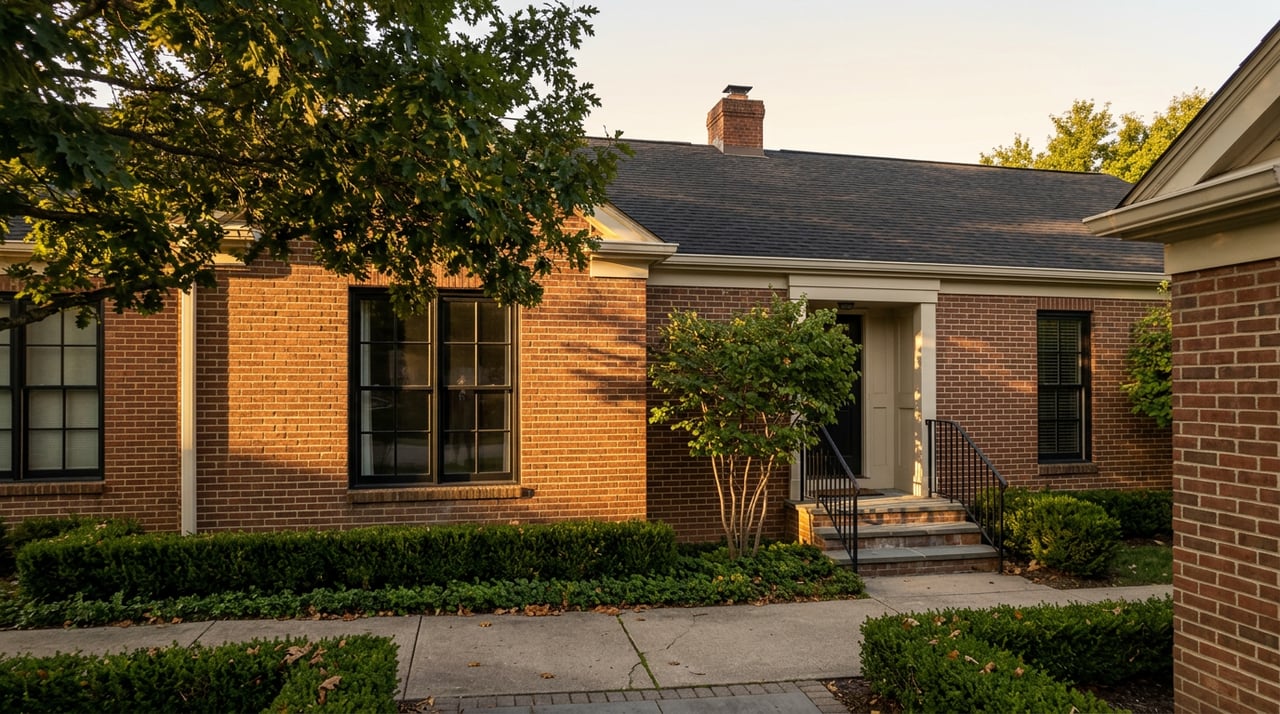
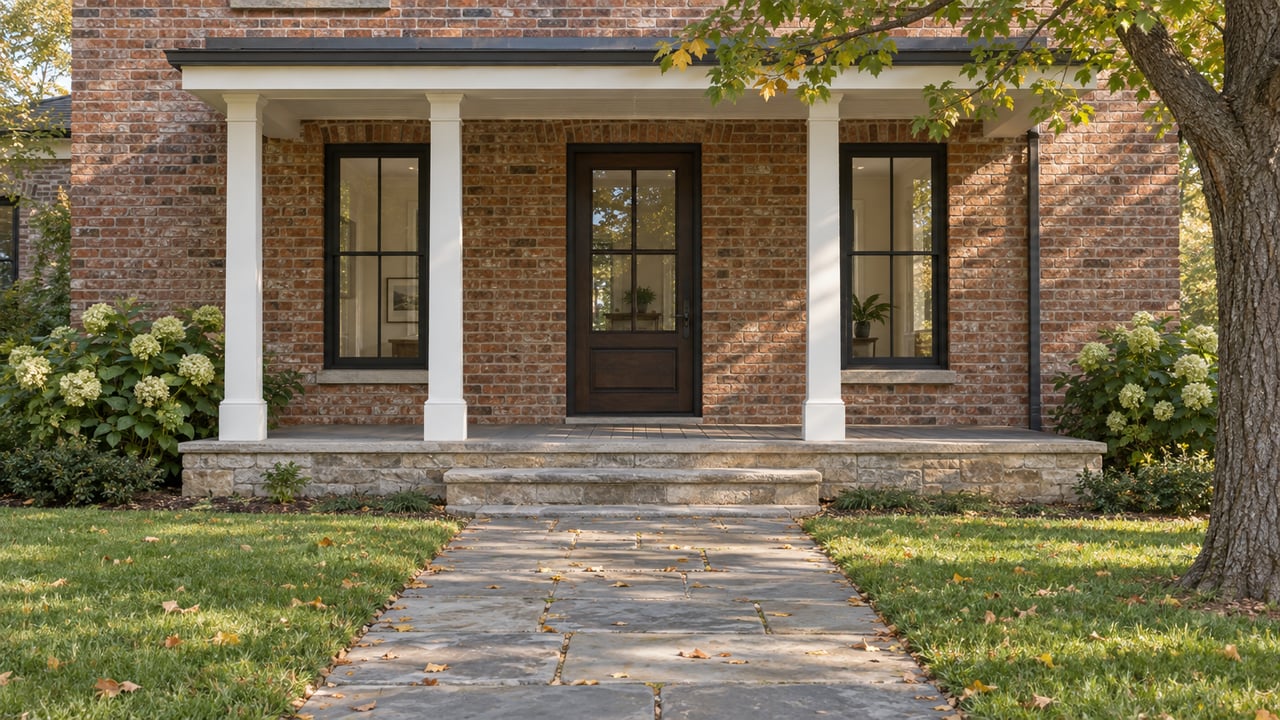
In 2022, Town Council approved zoning text amendments to Sections 18-15 and 18-168 that changed what counts against that cap. Homeowners can now build up to 400 square feet of covered deck without it counting toward the lot-coverage limit at all, as long as the structure stays single-story and can't be converted into enclosed living space. A separate amendment lets single-story, unenclosed front porches encroach up to 8 feet into the front yard, reversing a rule that had effectively blocked porches on most homes built in the 1950s and 60s, since those houses were typically constructed right up to the front setback line.
That second point matters more than it sounds. A huge share of Vienna's housing stock is exactly that vintage, built tight to the front line under rules that predate the amendment. For a buyer looking at one of those homes and picturing a front porch, the 2022 change is the reason it's now possible on a lot where it wasn't before. For a buyer comparing two similar houses on tighter downtown lots near Church Street or Maple Avenue, where every square foot of coverage is already spoken for, the covered-deck exemption can be the difference between a project that fits the code and one that needs a variance.
The third layer: Windover Heights
For a smaller set of Vienna properties, there's a review process that sits on top of both the Town's zoning check and the county's building permit: the Windover Heights Historic District.
Windover Heights, in northwest Vienna, is reviewed by its own Windover Heights Board of Review, which approves new construction and major exterior alterations to keep them consistent with the district's historic character. Inside the district, exterior modifications, additions, material changes, and even paint colors typically require a Certificate of Appropriateness from that board before the Town zoning step or the county permit can move forward.
A public case file from mid-2025 shows how this plays out in practice. A property on Windover Avenue NW, with a principal structure dated to 1962, went through the Windover Heights Board of Review process for a full teardown and new single-family home, on top of whatever Fairfax County building permits the new construction would separately require. That's not a hypothetical. It's the actual sequence a builder or homeowner in that specific district has to plan around, and it's a step that doesn't exist anywhere else in Vienna, let alone in neighboring McLean or Fairfax County generally.
If a house is inside Windover Heights, the renovation conversation starts earlier and involves one more approval body than a buyer might expect from a standard Northern Virginia purchase.
What to actually ask before the offer
None of this means a Vienna house with renovation potential is a bad plan. It means the plan depends on information a listing sheet doesn't carry.
Before writing an offer on a Vienna property where an addition, deck, or porch is part of the reasoning, it's worth confirming three things. First, whether the parcel sits inside Town of Vienna limits or in unincorporated Fairfax County, since that determines whether the Town's zoning office is even part of the process. Second, if it is inside Town limits, how much of the lot's coverage allowance is already used, since the 2022 amendments changed what counts against that cap but didn't raise the underlying 25 percent baseline. Third, whether the property falls inside the Windover Heights Historic District, which adds the Board of Review step for any exterior work.
That third question also matters for a house that already has an addition or deck in place. If a previous owner built out a porch or finished a deck without going through both the Town and county steps, or without a Certificate of Appropriateness where one was required, that's a detail worth surfacing during due diligence rather than discovering during a future appraisal or resale.
FAQ
Does every Vienna address need Town of Vienna approval for renovations? No. Only parcels inside the incorporated Town of Vienna are subject to the Town's zoning review. A Vienna mailing address and zip code don't guarantee Town jurisdiction. The county remains the building permit authority either way.
If my house isn't in Windover Heights, do I still need two approvals? If the parcel is inside Town limits, yes. Town zoning review comes first, followed by the Fairfax County building permit. If the parcel is outside Town limits, only the county process applies.
Does the lot-coverage change apply to a deck I'm just replacing, not adding? The exemption applies to covered decks up to 400 square feet regardless of whether it's new construction or a replacement, as long as the structure meets the single-story, unenclosed criteria in the Town's code. Confirming the specific scope with the Town's Planning and Zoning office before finalizing plans is the safer path.
Are paint colors really reviewed in Windover Heights? For properties inside that historic district, exterior material and color changes fall under the Certificate of Appropriateness process, separate from the Town's general zoning review.
If a Vienna house has you already sketching where the porch would go, the smartest move is confirming which rulebook applies before it becomes part of your offer strategy. Rick Shewell can help you check a specific parcel against Town limits and historic district boundaries before you write the contract, not after.